
Oct 23, 2025
Oct 23, 2025
Ultimate Guide to Eco-Industrial Park Biodiversity
Sustainability Strategy
Sustainability Strategy
In This Article
Explore how Eco-Industrial Parks integrate biodiversity into industrial growth, enhancing ecological health and community well-being.
Ultimate Guide to Eco-Industrial Park Biodiversity
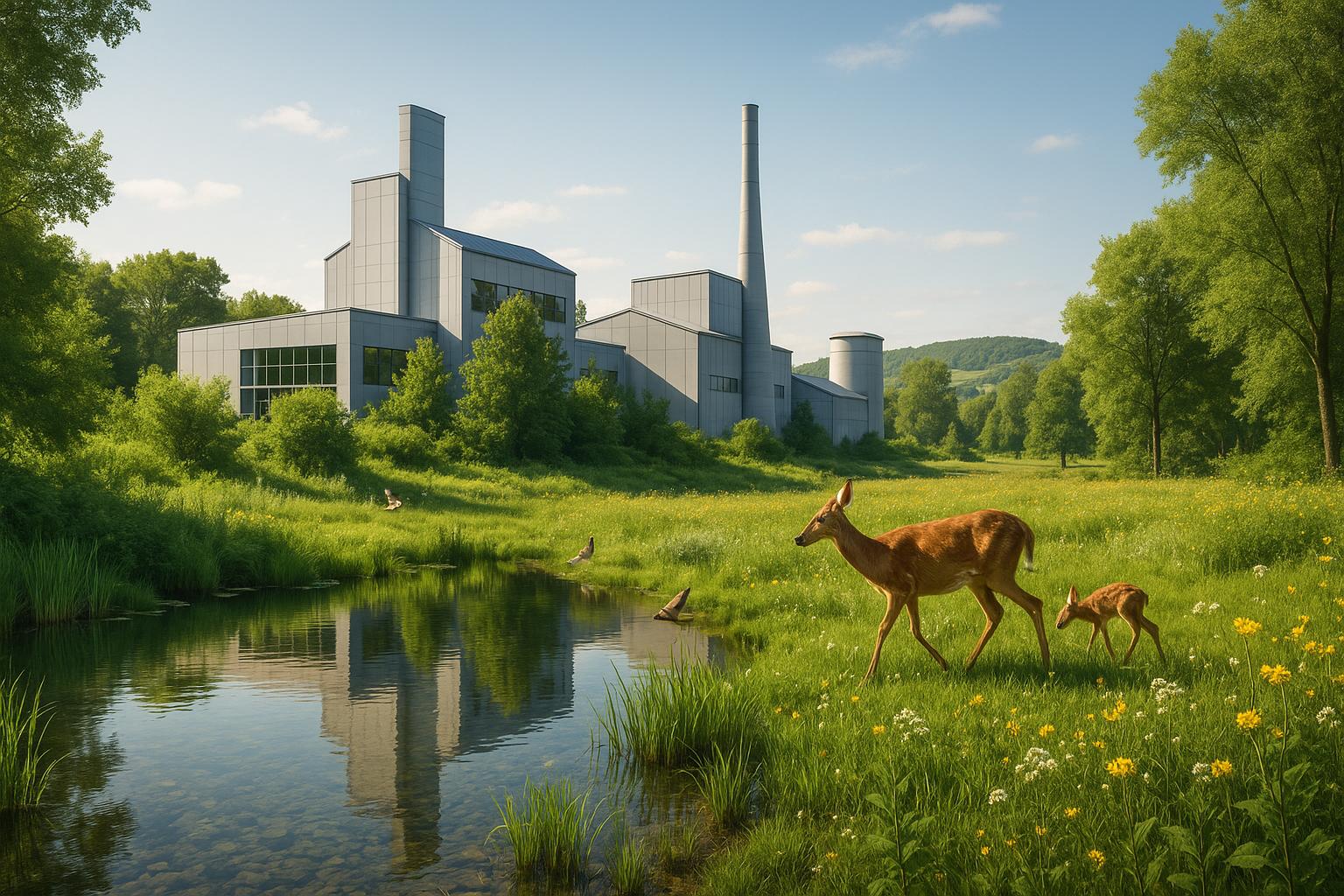
Eco-Industrial Parks (EIPs) are reshaping industrial practices by integrating biodiversity into their operations. These parks prioritize resource efficiency, renewable energy, and habitat preservation, creating a balance between industrial activity and ecological health. Biodiversity in EIPs supports ecosystem services like pollination, water purification, and climate regulation, while also improving property values, worker productivity, and community satisfaction. Key strategies include native vegetation, wildlife corridors, biophilic design, and resource-efficient infrastructure. Successful implementation requires thorough planning, stakeholder collaboration, and adherence to regulations. Monitoring biodiversity impact through data-driven tools and certifications like LEED or ISO 14001 ensures continuous improvement and long-term success.
#GGKPwebinar - A Guide to Designing High-performing Eco industrial Parks
Core Principles for Biodiversity Integration in EIP Design
For eco-industrial parks (EIPs) to thrive, biodiversity must be woven into the design process right from the start. Instead of treating environmental protection as an afterthought, these principles ensure that ecological priorities fuel innovation and guide development at every stage. By doing so, they create a balance between operational goals and ecological stewardship.
Native Vegetation and Habitat Protection
Preserving and restoring native ecosystems is a cornerstone of biodiversity integration. The first step involves mapping existing habitats, identifying endangered species, and pinpointing critical wildlife corridors.
Effective EIPs prioritize conserving natural areas and rehabilitating degraded spaces with native plant species. This approach reduces the need for water, fertilizers, and ongoing maintenance while creating habitats that support local wildlife. Native vegetation also strengthens ecosystems, helping them adapt to regional climate challenges more effectively [1][3].
Another key strategy is establishing wildlife corridors - green pathways that connect fragmented habitats. These corridors allow animals to move safely across the park, maintaining ecological balance [1][3].
A prime example is the Kalundborg Symbiosis in Denmark. Since 1972, this industrial network has successfully integrated native landscaping and habitat corridors alongside its resource-sharing operations. The result? Significant reductions in pollution and a boost to local biodiversity [4].
Biophilic Design and Green Spaces
Building on habitat protection, biophilic design incorporates nature into every aspect of industrial settings. This approach goes far beyond simple landscaping, embedding living systems into buildings and infrastructure [3].
Features like green roofs, living walls, rain gardens, and bioswales not only improve air quality but also manage stormwater and create more appealing work environments. These elements contribute to employee well-being, enhancing productivity and satisfaction [3].
EIPs can also include amenities that benefit both the community and the environment. For instance, community gardens, educational nature spaces, and outdoor gathering areas serve dual purposes - strengthening social connections while showcasing the park’s dedication to ecological responsibility [3][4].
Resource Efficiency and Infrastructure
Resource efficiency is another pillar of biodiversity integration, influencing every infrastructure decision. By conserving resources, reducing pollution, and limiting habitat disruption, this approach directly supports ecological goals [1][2][4].
Renewable energy systems, such as solar panels and wind turbines, can coexist with natural habitats. Water recycling systems, constructed wetlands, and permeable surfaces mimic natural hydrology, providing support for aquatic ecosystems [1][2][4].
Additionally, the circular economy principles that define EIPs play a crucial role. When businesses share resources and exchange byproducts, they minimize waste, reducing the environmental footprint of industrial operations. This industrial symbiosis protects local ecosystems from harmful waste streams [1][4].
The Eco3 Park in Nokia, Finland, offers a real-world example of these principles in action. In 2022, this initiative combined shared renewable energy infrastructure with circular economy practices, cutting landfill waste by 30% and boosting local biodiversity indices by 15%. Collaboration between the Nokia Development Company, local universities, and businesses was key to its success [2].
These strategies show how biodiversity integration aligns with the circular economy model, creating a foundation for sustainable growth.
"We help organizations rethink profit - not just in financial terms, but in ways that strengthen ecosystems, empower communities, and build resilient economies, creating long-term growth and lasting success." [6]
Consultancies like Council Fire specialize in bringing these strategies to life. Their expertise in sustainable infrastructure and natural resource management ensures that integrating biodiversity becomes a source of innovation, not just a regulatory requirement [1].
Planning and Implementation Methods
Turning biodiversity principles into action requires thoughtful planning and precise execution. Success hinges on understanding the environmental landscape, fostering collaboration among stakeholders, and navigating the intricate framework of US environmental regulations.
Site Assessments and Biodiversity Mapping
The foundation of eco-industrial parks lies in establishing a clear environmental baseline. Through site assessments and biodiversity mapping, developers can uncover opportunities and constraints that shape the project’s direction.
Using Geographic Information Systems (GIS) technology alongside detailed field surveys, teams map existing habitats, catalog native species, and identify ecological corridors. These efforts evaluate how current land use impacts local ecosystems. Feasibility studies further analyze enterprises and supply chains to pinpoint chances for industrial symbiosis and biodiversity benefits.
This process highlights critical habitats, vulnerable species, and essential ecological connections. For instance, assessments might identify wetlands that need protection, areas suitable for native vegetation restoration, or wildlife corridors requiring preservation. These insights set the stage for targeted interventions and provide the baseline data needed for ongoing monitoring and adaptive management throughout the park's lifecycle.
Beyond environmental factors, socio-economic data plays a crucial role. Understanding community priorities, workforce dynamics, and local economic conditions ensures that biodiversity efforts align with broader development objectives.
Armed with this comprehensive mapping, collaboration with stakeholders becomes the next critical step.
Working with Stakeholders
The success of biodiversity initiatives depends on engaging stakeholders early and often. A collaborative approach ensures diverse perspectives are represented, fosters trust, and builds a foundation for long-term success.
To achieve this, involve businesses, community members, subject matter experts, and regulators through workshops and open forums. Transparent communication channels not only keep everyone informed but also encourage meaningful contributions.
"The best strategies don't happen in silos. We bring people together - across teams, sectors, and communities - to co-create solutions that are actionable, equitable, and built to last. Collaboration isn't just how we work - it's how change happens."
Council Fire [6]
Neutral non-profit organizations often play a key role in facilitating these collaborations. Their impartial stance helps bridge gaps between stakeholders with competing interests, fostering a more cooperative and productive planning process.
When collaboration thrives, the results are tangible. For example, parks that engage their communities effectively may implement shared services, reducing costs and environmental impact through resource and by-product sharing. Communities can also take an active role in habitat restoration, while experts guide designs that balance industrial growth with ecological preservation.
This collaborative groundwork simplifies the process of navigating regulatory and land use challenges.
Regulatory and Land Use Challenges
Integrating biodiversity into development plans requires careful navigation of US environmental regulations. These laws, while complex, also offer opportunities to enhance biodiversity through compliance.
Federal laws like the Endangered Species Act and the Clean Water Act impose restrictions on sensitive areas and may require specific mitigation measures. Meanwhile, state and local zoning laws add another layer of complexity, especially when multiple landowners are involved.
Proactive steps can help mitigate potential conflicts. Early regulatory reviews, informed by stakeholder input, allow developers to identify and address potential issues before they escalate. Legal and planning experts play a vital role during the feasibility stage, helping to integrate compliance requirements into the site design process rather than treating them as afterthoughts.
Maintaining open communication with local agencies throughout planning can also smooth regulatory hurdles. Strong relationships with regulators may even lead to opportunities for incentives or faster approvals.
Sustainable design practices can help meet regulatory requirements while boosting biodiversity. For instance, constructed wetlands can manage stormwater while creating habitats, and native vegetation buffers can fulfill setback mandates while doubling as wildlife corridors.
Addressing land ownership complexities is equally important. Clear agreements on biodiversity responsibilities, maintenance, and long-term stewardship can prevent disputes that might derail environmental goals. By approaching compliance as a chance to innovate, developers can turn regulatory challenges into opportunities for progress.
Daily Operations and Best Practices
Building on strategic planning and collaboration, the daily operations of eco-industrial parks play a crucial role in supporting biodiversity. Once the planning phase concludes, facility managers take on the responsibility of translating strategies into action. The decisions they make about infrastructure, maintenance, and monitoring directly influence ecological outcomes, as outlined below.
Biodiversity-Friendly Infrastructure
Incorporating green infrastructure into daily operations creates a harmonious balance between industrial activity and natural ecosystems. Green roofs not only manage stormwater runoff but also provide habitats for birds and insects while improving energy efficiency. Similarly, rain gardens filter pollutants from stormwater and support native plants that attract beneficial insects. Pollinator gardens are another essential feature, drawing bees, butterflies, and other pollinators by offering native flowering plants that serve as nectar sources.
Other infrastructure elements include permeable pavements, which allow rainwater to seep into the ground and recharge aquifers, and constructed wetlands, which treat wastewater while creating habitats for amphibians, birds, and aquatic species.
Maintenance Practices
Sustaining biodiversity-friendly infrastructure requires thoughtful maintenance practices. Traditional methods, often reliant on chemical treatments, can harm ecosystems. Instead, integrated pest management and organic practices take priority, protecting both wildlife and human health. For instance, choosing native, pest-resistant plants reduces the need for pesticides, while targeted treatments are applied only when absolutely necessary. Humane pest control methods - like physical barriers, habitat adjustments, and biological controls - help maintain ecological balance without introducing harmful chemicals.
Landscaping practices also need to align with ecological principles. Native plants should be pruned according to their natural growth cycles, and invasive species must be removed carefully to prevent harm to local wildlife. Buffer zones around sensitive habitats can be established with less frequent mowing and minimal chemical use, creating a gradual transition between industrial areas and natural spaces. Additionally, proactive water quality management, such as regular testing of runoff and groundwater, allows facility managers to detect potential issues early. Adjustments, like modifying irrigation schedules or switching to organic fertilizers, can then be made to minimize environmental harm.
Monitoring and Adaptive Management
Continuous monitoring is essential for refining operations and ensuring long-term success. Regular protocols - such as tracking species inventories, assessing habitat quality, and testing water and soil - provide valuable insights into progress and areas for improvement. Indicators like species diversity, population changes, and water quality measurements act as early warning signs of ecological stress. For example, if pollinator numbers drop, managers can respond by planting more native flowering species or reducing mowing in critical areas. Similarly, elevated nutrient levels in water tests may signal the need to adjust fertilizer use or improve stormwater management.
Stakeholder feedback also plays a key role, offering qualitative insights that complement data-driven approaches. Regular communication through meetings, workshops, and surveys ensures that on-the-ground observations and expert recommendations are integrated into management strategies.
Effective adaptive management requires flexibility and a commitment to learning. Seasonal shifts, climate changes, and evolving industrial activities all impact biodiversity outcomes. Viewing biodiversity management as an opportunity rather than a compliance task can lead to benefits such as lower utility costs, higher employee satisfaction, and a stronger reputation that appeals to environmentally conscious tenants. By embracing these practices, facility managers can create a thriving balance between industrial operations and ecological stewardship.
Measuring and Improving Biodiversity Impact
Managing biodiversity effectively requires precise measurement and a commitment to ongoing improvement. Without proper tracking and evaluation, even the most well-intentioned efforts may fall short of their ecological objectives.
Biodiversity Monitoring and Performance Tracking
The foundation of biodiversity management lies in baseline ecological surveys, which are conducted before any development begins. These surveys establish a clear starting point by documenting existing species, habitat conditions, and overall ecosystem health. This initial data serves as a reference for measuring future progress.
To maintain consistent oversight, periodic field audits are conducted, typically on a quarterly or annual basis, depending on the specific needs of the eco-industrial park. These audits monitor changes in species populations, habitat quality, and ecosystem services. Field teams collect data on species inventories, evaluate vegetation health, and identify potential problems such as invasive species or habitat degradation.
In addition, remote sensing technologies have transformed large-scale biodiversity monitoring. Tools like satellite imagery and drone surveys provide real-time data on landscape changes, habitat fragmentation, and vegetation patterns. These technologies allow park managers to detect issues that ground-level surveys might miss, enabling quicker responses to emerging challenges.
Key performance indicators (KPIs) are essential for tracking progress and should be tailored to local conditions and regulatory requirements. Important metrics include:
Species richness and abundance: Measuring the variety and number of species present.
Habitat connectivity: Assessing the links between different habitats to ensure ecological flow.
Native vegetation cover: Evaluating the success of restoration efforts and ecosystem health.
Presence of indicator or endangered species: Gauging ecosystem quality and compliance with conservation regulations.
Advanced tools like GIS systems and automated cameras enhance tracking capabilities, offering detailed insights into animal behavior and habitat use. Environmental sensors further support decision-making by providing real-time data on water and soil quality, streamlining reporting for certifications and compliance.
This thorough approach to monitoring sets the stage for adopting formal certification standards, which can validate and strengthen biodiversity efforts.
Certification Programs and Standards
Certification programs offer structured frameworks for evaluating and validating biodiversity performance in eco-industrial parks. These programs cater to different goals, allowing parks to select the most suitable standard for their needs.
Certification Program | Focus Areas | Biodiversity Requirements | Advantages | Typical Costs |
|---|---|---|---|---|
LEED | Sustainable site, water, energy, materials | Habitat protection, native landscaping, green spaces | Market recognition, points-based system | $2,500–$35,000+ |
ISO 14001 | Environmental management systems | Impact assessment, mitigation plans | Global acceptance, process flexibility | $5,000–$20,000+ |
Landscape/site | Native species, ecosystem health | Detailed landscape focus | Varies by project | |
Building/park | Land use, ecology credits | International recognition, holistic approach | $3,000–$30,000+ |
LEED certification focuses on integrating biodiversity-supportive features into design and construction, such as habitat protection and green infrastructure. Its clear guidelines are helpful, though they may limit flexibility for unique site conditions.
ISO 14001 takes a broader approach, emphasizing environmental management systems that incorporate biodiversity objectives. This standard is widely accepted and allows for tailored biodiversity goals, provided there is systematic monitoring and continuous improvement. By 2023, over 100 eco-industrial parks globally had achieved ISO 14001 certification, reflecting its growing popularity.
The SITES program is particularly relevant for parks with extensive green spaces, as it emphasizes landscape and site-level sustainability. Meanwhile, BREEAM provides an international perspective, offering detailed ecological criteria. Though originally developed in Europe, it can be adapted to meet U.S. conditions.
The adoption of certifications is on the rise. By 2023, over 50 eco-industrial parks had achieved LEED-certified buildings, highlighting the value of external validation, market advantages, and structured frameworks for achieving biodiversity goals.
Continuous Improvement and Stakeholder Feedback
The key to improving biodiversity lies in adaptive management, which uses monitoring data to refine strategies and incorporate stakeholder input. This approach involves regularly reviewing data, engaging with stakeholders, and modifying actions based on observed outcomes. For instance, if audits reveal a decline in pollinator populations, management might respond by planting more native flowering species, reducing pesticide use, or adjusting mowing schedules in critical areas.
Stakeholder feedback adds another layer of valuable insight. Surveys, public meetings, and advisory committees provide qualitative data that complements formal monitoring. Local communities can share observations on wildlife behavior or habitat changes, while environmental experts contribute technical knowledge on ecosystem dynamics and best practices. This collaborative approach ensures that biodiversity initiatives stay relevant and effective.
The Kalundborg Symbiosis Eco-Industrial Park in Denmark demonstrates the power of adaptive management. In 2022, the park conducted a comprehensive biodiversity audit using remote sensing and field surveys. The results were impressive: a 15% increase in native plant species and a 20% reduction in invasive species over two years. Led by park manager Lars Hansen, the project involved partnerships with local universities and environmental NGOs, leading to improved pollinator habitats and enhanced water quality[4].
Annual sustainability reports and third-party audits provide independent verification of progress, helping to identify best practices and areas for improvement. Knowledge-sharing workshops with other eco-industrial parks further enhance learning and innovation.
Setting clear biodiversity targets with defined timelines fosters accountability and drives progress. These goals should be ambitious yet achievable, based on scientific understanding and stakeholder priorities. Regular reviews against these targets allow for adjustments and celebrate successes, ensuring momentum toward long-term biodiversity goals.
Consultancies like Council Fire can offer expert guidance throughout this process. Their experience in developing monitoring frameworks, facilitating stakeholder engagement, and navigating certification requirements ensures that biodiversity strategies remain effective and aligned with both ecological and economic priorities. This holistic approach supports compliance with U.S. standards while promoting sustained success.
The Role of Sustainability Consulting
Creating integrated biodiversity within eco-industrial parks is no small feat. It requires a blend of specialized expertise and a systems-oriented mindset to balance ecological goals, regulatory requirements, budgetary constraints, and community expectations. Professional consultants play a critical role in this process, offering proven methods, cross-industry insights, and the expertise to navigate the complex web of federal and state environmental regulations governing industrial development in the U.S. Their guidance bridges the gap between planning and execution, ensuring that every decision is informed by data and considers the needs of all stakeholders.
Council Fire's Approach to Biodiversity Integration
Council Fire stands out as a leader in this field, showcasing an approach rooted in precision and collaboration. Their process begins with a thorough baseline analysis, employing GIS mapping and fieldwork to catalog habitats and key species. This ensures that critical habitats, migration routes, and areas ideal for restoration or ecological enhancement are accurately identified. They use both metric and imperial units to ensure compatibility with U.S. construction and engineering practices.
Collaboration is at the heart of their philosophy, as evidenced by their guiding principle:
"The best strategies don't happen in silos. We bring people together - across teams, sectors, and communities - to co-create solutions that are actionable, equitable, and built to last. Collaboration isn't just how we work - it's how change happens" [6].
A project in a Midwestern industrial park illustrates Council Fire’s impact. They designed a 15-acre native prairie buffer system that addressed multiple concerns simultaneously. This installation reduced stormwater runoff by 40%, boosted local bird populations by 25% within two years, and saved $180,000 annually in stormwater management costs [1].
Their site-specific solutions include pollinator-friendly landscaping, constructed wetlands for stormwater control, and wildlife corridors that reconnect fragmented habitats. These strategies not only meet ecological goals but also comply with regulatory standards.
Expert Guidance for Long-Term Impact
Sustaining biodiversity efforts requires more than initial planning - it demands ongoing expert support. Council Fire uses advanced tools like GIS mapping, remote sensing, and field surveys to monitor progress and ensure measurable outcomes. Their performance indicators include metrics such as native species counts, green space coverage, reductions in impervious surfaces, water quality improvements, and pollinator density per acre [1].
Equally important is their focus on communication. Council Fire develops tailored strategies to keep stakeholders informed and engaged, using progress reports, dashboards, and community events. They present complex ecological data in clear, visual formats to ensure all audiences can grasp the value and progress of these initiatives [1].
Dr. William Dennison from the University of Maryland Center for Environmental Science highlights their approach:
"Their comprehensive economic, environmental, and social impact expertise combined with their collaboration and storytelling capabilities helps ensure our science and research can emerge from the labs and have real world impact" [6].
Balancing Environmental, Social, and Financial Goals
Council Fire emphasizes the interconnectedness of operational efficiency and environmental stewardship. Their cost-benefit analyses quantify the financial advantages of biodiversity initiatives, such as reduced stormwater fees, lower energy costs from green infrastructure, and decreased maintenance expenses.
Eco-industrial parks that integrate biodiversity also enjoy enhanced property values, reflecting tenant interest in sustainable locations, improved employee satisfaction, and stronger corporate sustainability profiles. Council Fire assists clients in securing green financing, grants, and certifications, helping them navigate programs like EPA brownfield grants, USDA conservation initiatives, and state-level green infrastructure funding.
On the social front, they work to build community trust and address concerns about industrial development. This proactive approach reduces regulatory delays, minimizes opposition, and fosters positive relationships that support long-term success.
Matthew Fleming, Executive Director of the Resilience Authority of Annapolis and Anne Arundel County, shares his perspective:
"Council Fire is helping us lay the foundation for what we believe is one of the most innovative local climate resilience planning models in the country. Whether its strategy development, financing mechanisms, impact metrics, decision making tools, or storytelling, their guidance is instrumental in shaping our approach, implementing projects, and building trust with stakeholders" [6].
According to data from the World Bank, eco-industrial parks that adopt comprehensive sustainability practices can reduce energy and water use by up to 20% and cut waste generation by 30% compared to traditional industrial parks [5]. These efficiencies not only deliver cost savings but also provide tangible environmental and social benefits.
To maintain the balance between financial, environmental, and social goals, Council Fire employs adaptive management practices. Regular stakeholder surveys, participatory monitoring programs, and ongoing reviews ensure that biodiversity strategies evolve alongside business needs and community priorities, delivering lasting ecological and operational benefits.
Key Takeaways for Eco-Industrial Park Biodiversity
Incorporating biodiversity into eco-industrial parks reshapes how success is defined. Forward-looking companies are proving that protecting natural ecosystems doesn't have to come at the expense of growth. Instead, biodiversity initiatives can strengthen ecological health while fostering economic resilience, paving the way for long-term progress. This guide highlights essential strategies to achieve these goals.
Start with Early Planning
The foundation of successful biodiversity integration lies in early and thorough planning. Conducting baseline site assessments and biodiversity mapping upfront ensures a deep understanding of existing ecological assets. Companies that prioritize this step consistently achieve better outcomes compared to those that treat environmental factors as secondary considerations. This initial effort pays off throughout the project's lifecycle.
Collaboration is Key
Engaging stakeholders is the cornerstone of effective biodiversity projects. Successful initiatives bring together diverse voices to co-develop practical and equitable solutions. Without this collaborative approach, projects often face delays, higher costs, and resistance from local communities.
The Business Case for Biodiversity
Integrating biodiversity isn't just about ecological benefits - it also drives cost savings and operational efficiencies. Enhanced property values and streamlined processes make biodiversity initiatives a sound investment, securing ongoing support from leadership. For example, the Händelö Eco-Industrial Park in Sweden demonstrates this principle by utilizing local waste materials to power its operations, creating closed-loop systems that benefit both the environment and the bottom line [4].
Native Vegetation as a Foundation
Every biodiversity strategy should prioritize native vegetation and habitat protection. Focusing on native species and establishing wildlife corridors leads to better ecological results while reducing maintenance needs. This approach not only supports local ecosystems but also ensures sustainable, long-term outcomes.
Set Clear Goals and Monitor Progress
A clear vision paired with a baseline assessment is essential. Forming oversight teams, setting interim biodiversity targets, and identifying opportunities for green infrastructure - such as stormwater management and habitat creation - lay the groundwork for success. Continuous monitoring of factors like species richness, habitat connectivity, and resource consumption ensures programs remain effective and adaptable over time. This data-driven approach also strengthens the case for ongoing investment by demonstrating tangible results.
Sustainability as a Growth Strategy
Embedding biodiversity into a company’s core strategy, rather than treating it as a compliance requirement, unlocks competitive advantages. It builds stakeholder trust, delivers measurable ecological benefits, and bolsters market position. Expert guidance can help navigate the complexities of aligning ecological goals with regulatory and financial constraints, avoiding common missteps along the way.
FAQs
How do Eco-Industrial Parks (EIPs) combine industrial growth with environmental sustainability, and what are some successful examples?
Eco-Industrial Parks (EIPs) aim to harmonize industrial growth with environmental responsibility by fostering collaboration among businesses. These parks encourage companies to exchange materials, energy, and water, maximizing efficiency and reducing waste. The result is a system where resources are used more effectively, and the environmental footprint of industrial activities is minimized.
Through careful planning and strategic partnerships, EIPs go beyond environmental benefits. They contribute to local economies and improve social well-being in nearby communities. Organizations such as Council Fire play a key role in guiding businesses and communities toward sustainable practices that promote lasting success.
How do stakeholders contribute to biodiversity efforts in Eco-Industrial Parks, and what strategies ensure successful collaboration?
Stakeholders play a crucial role in driving biodiversity efforts within Eco-Industrial Parks. Their varied perspectives, specialized knowledge, and resources contribute to shaping initiatives that are inclusive and address the priorities of businesses as well as local communities.
Building effective partnerships requires open communication, mutual trust, and aligning objectives across different sectors. By involving stakeholders early in the planning stages and encouraging active engagement, these efforts foster a sense of shared responsibility. This collaborative approach not only strengthens biodiversity initiatives but also enhances their long-term success and impact.
How does integrating biodiversity into industrial operations benefit businesses, employees, and local communities?
Integrating biodiversity into industrial operations offers a host of practical advantages. For instance, it can raise property values by developing more appealing and environmentally friendly spaces. Additionally, it can improve worker productivity by providing better workplace environments and strengthen community satisfaction by promoting greener and healthier living areas.
When organizations prioritize biodiversity, they bridge environmental care with sustainable financial and social outcomes, benefiting both their business goals and the communities around them.
Related Blog Posts
Latest Articles
©2025



FAQ
FAQ
01
What does it really mean to “redefine profit”?
02
What makes Council Fire different?
03
Who does Council Fire you work with?
04
What does working with Council Fire actually look like?
05
How does Council Fire help organizations turn big goals into action?
06
How does Council Fire define and measure success?
01
What does it really mean to “redefine profit”?
02
What makes Council Fire different?
03
Who does Council Fire you work with?
04
What does working with Council Fire actually look like?
05
How does Council Fire help organizations turn big goals into action?
06
How does Council Fire define and measure success?
Oct 23, 2025
Ultimate Guide to Eco-Industrial Park Biodiversity
Sustainability Strategy
In This Article
Explore how Eco-Industrial Parks integrate biodiversity into industrial growth, enhancing ecological health and community well-being.
Ultimate Guide to Eco-Industrial Park Biodiversity
Eco-Industrial Parks (EIPs) are reshaping industrial practices by integrating biodiversity into their operations. These parks prioritize resource efficiency, renewable energy, and habitat preservation, creating a balance between industrial activity and ecological health. Biodiversity in EIPs supports ecosystem services like pollination, water purification, and climate regulation, while also improving property values, worker productivity, and community satisfaction. Key strategies include native vegetation, wildlife corridors, biophilic design, and resource-efficient infrastructure. Successful implementation requires thorough planning, stakeholder collaboration, and adherence to regulations. Monitoring biodiversity impact through data-driven tools and certifications like LEED or ISO 14001 ensures continuous improvement and long-term success.
#GGKPwebinar - A Guide to Designing High-performing Eco industrial Parks
Core Principles for Biodiversity Integration in EIP Design
For eco-industrial parks (EIPs) to thrive, biodiversity must be woven into the design process right from the start. Instead of treating environmental protection as an afterthought, these principles ensure that ecological priorities fuel innovation and guide development at every stage. By doing so, they create a balance between operational goals and ecological stewardship.
Native Vegetation and Habitat Protection
Preserving and restoring native ecosystems is a cornerstone of biodiversity integration. The first step involves mapping existing habitats, identifying endangered species, and pinpointing critical wildlife corridors.
Effective EIPs prioritize conserving natural areas and rehabilitating degraded spaces with native plant species. This approach reduces the need for water, fertilizers, and ongoing maintenance while creating habitats that support local wildlife. Native vegetation also strengthens ecosystems, helping them adapt to regional climate challenges more effectively [1][3].
Another key strategy is establishing wildlife corridors - green pathways that connect fragmented habitats. These corridors allow animals to move safely across the park, maintaining ecological balance [1][3].
A prime example is the Kalundborg Symbiosis in Denmark. Since 1972, this industrial network has successfully integrated native landscaping and habitat corridors alongside its resource-sharing operations. The result? Significant reductions in pollution and a boost to local biodiversity [4].
Biophilic Design and Green Spaces
Building on habitat protection, biophilic design incorporates nature into every aspect of industrial settings. This approach goes far beyond simple landscaping, embedding living systems into buildings and infrastructure [3].
Features like green roofs, living walls, rain gardens, and bioswales not only improve air quality but also manage stormwater and create more appealing work environments. These elements contribute to employee well-being, enhancing productivity and satisfaction [3].
EIPs can also include amenities that benefit both the community and the environment. For instance, community gardens, educational nature spaces, and outdoor gathering areas serve dual purposes - strengthening social connections while showcasing the park’s dedication to ecological responsibility [3][4].
Resource Efficiency and Infrastructure
Resource efficiency is another pillar of biodiversity integration, influencing every infrastructure decision. By conserving resources, reducing pollution, and limiting habitat disruption, this approach directly supports ecological goals [1][2][4].
Renewable energy systems, such as solar panels and wind turbines, can coexist with natural habitats. Water recycling systems, constructed wetlands, and permeable surfaces mimic natural hydrology, providing support for aquatic ecosystems [1][2][4].
Additionally, the circular economy principles that define EIPs play a crucial role. When businesses share resources and exchange byproducts, they minimize waste, reducing the environmental footprint of industrial operations. This industrial symbiosis protects local ecosystems from harmful waste streams [1][4].
The Eco3 Park in Nokia, Finland, offers a real-world example of these principles in action. In 2022, this initiative combined shared renewable energy infrastructure with circular economy practices, cutting landfill waste by 30% and boosting local biodiversity indices by 15%. Collaboration between the Nokia Development Company, local universities, and businesses was key to its success [2].
These strategies show how biodiversity integration aligns with the circular economy model, creating a foundation for sustainable growth.
"We help organizations rethink profit - not just in financial terms, but in ways that strengthen ecosystems, empower communities, and build resilient economies, creating long-term growth and lasting success." [6]
Consultancies like Council Fire specialize in bringing these strategies to life. Their expertise in sustainable infrastructure and natural resource management ensures that integrating biodiversity becomes a source of innovation, not just a regulatory requirement [1].
Planning and Implementation Methods
Turning biodiversity principles into action requires thoughtful planning and precise execution. Success hinges on understanding the environmental landscape, fostering collaboration among stakeholders, and navigating the intricate framework of US environmental regulations.
Site Assessments and Biodiversity Mapping
The foundation of eco-industrial parks lies in establishing a clear environmental baseline. Through site assessments and biodiversity mapping, developers can uncover opportunities and constraints that shape the project’s direction.
Using Geographic Information Systems (GIS) technology alongside detailed field surveys, teams map existing habitats, catalog native species, and identify ecological corridors. These efforts evaluate how current land use impacts local ecosystems. Feasibility studies further analyze enterprises and supply chains to pinpoint chances for industrial symbiosis and biodiversity benefits.
This process highlights critical habitats, vulnerable species, and essential ecological connections. For instance, assessments might identify wetlands that need protection, areas suitable for native vegetation restoration, or wildlife corridors requiring preservation. These insights set the stage for targeted interventions and provide the baseline data needed for ongoing monitoring and adaptive management throughout the park's lifecycle.
Beyond environmental factors, socio-economic data plays a crucial role. Understanding community priorities, workforce dynamics, and local economic conditions ensures that biodiversity efforts align with broader development objectives.
Armed with this comprehensive mapping, collaboration with stakeholders becomes the next critical step.
Working with Stakeholders
The success of biodiversity initiatives depends on engaging stakeholders early and often. A collaborative approach ensures diverse perspectives are represented, fosters trust, and builds a foundation for long-term success.
To achieve this, involve businesses, community members, subject matter experts, and regulators through workshops and open forums. Transparent communication channels not only keep everyone informed but also encourage meaningful contributions.
"The best strategies don't happen in silos. We bring people together - across teams, sectors, and communities - to co-create solutions that are actionable, equitable, and built to last. Collaboration isn't just how we work - it's how change happens."
Council Fire [6]
Neutral non-profit organizations often play a key role in facilitating these collaborations. Their impartial stance helps bridge gaps between stakeholders with competing interests, fostering a more cooperative and productive planning process.
When collaboration thrives, the results are tangible. For example, parks that engage their communities effectively may implement shared services, reducing costs and environmental impact through resource and by-product sharing. Communities can also take an active role in habitat restoration, while experts guide designs that balance industrial growth with ecological preservation.
This collaborative groundwork simplifies the process of navigating regulatory and land use challenges.
Regulatory and Land Use Challenges
Integrating biodiversity into development plans requires careful navigation of US environmental regulations. These laws, while complex, also offer opportunities to enhance biodiversity through compliance.
Federal laws like the Endangered Species Act and the Clean Water Act impose restrictions on sensitive areas and may require specific mitigation measures. Meanwhile, state and local zoning laws add another layer of complexity, especially when multiple landowners are involved.
Proactive steps can help mitigate potential conflicts. Early regulatory reviews, informed by stakeholder input, allow developers to identify and address potential issues before they escalate. Legal and planning experts play a vital role during the feasibility stage, helping to integrate compliance requirements into the site design process rather than treating them as afterthoughts.
Maintaining open communication with local agencies throughout planning can also smooth regulatory hurdles. Strong relationships with regulators may even lead to opportunities for incentives or faster approvals.
Sustainable design practices can help meet regulatory requirements while boosting biodiversity. For instance, constructed wetlands can manage stormwater while creating habitats, and native vegetation buffers can fulfill setback mandates while doubling as wildlife corridors.
Addressing land ownership complexities is equally important. Clear agreements on biodiversity responsibilities, maintenance, and long-term stewardship can prevent disputes that might derail environmental goals. By approaching compliance as a chance to innovate, developers can turn regulatory challenges into opportunities for progress.
Daily Operations and Best Practices
Building on strategic planning and collaboration, the daily operations of eco-industrial parks play a crucial role in supporting biodiversity. Once the planning phase concludes, facility managers take on the responsibility of translating strategies into action. The decisions they make about infrastructure, maintenance, and monitoring directly influence ecological outcomes, as outlined below.
Biodiversity-Friendly Infrastructure
Incorporating green infrastructure into daily operations creates a harmonious balance between industrial activity and natural ecosystems. Green roofs not only manage stormwater runoff but also provide habitats for birds and insects while improving energy efficiency. Similarly, rain gardens filter pollutants from stormwater and support native plants that attract beneficial insects. Pollinator gardens are another essential feature, drawing bees, butterflies, and other pollinators by offering native flowering plants that serve as nectar sources.
Other infrastructure elements include permeable pavements, which allow rainwater to seep into the ground and recharge aquifers, and constructed wetlands, which treat wastewater while creating habitats for amphibians, birds, and aquatic species.
Maintenance Practices
Sustaining biodiversity-friendly infrastructure requires thoughtful maintenance practices. Traditional methods, often reliant on chemical treatments, can harm ecosystems. Instead, integrated pest management and organic practices take priority, protecting both wildlife and human health. For instance, choosing native, pest-resistant plants reduces the need for pesticides, while targeted treatments are applied only when absolutely necessary. Humane pest control methods - like physical barriers, habitat adjustments, and biological controls - help maintain ecological balance without introducing harmful chemicals.
Landscaping practices also need to align with ecological principles. Native plants should be pruned according to their natural growth cycles, and invasive species must be removed carefully to prevent harm to local wildlife. Buffer zones around sensitive habitats can be established with less frequent mowing and minimal chemical use, creating a gradual transition between industrial areas and natural spaces. Additionally, proactive water quality management, such as regular testing of runoff and groundwater, allows facility managers to detect potential issues early. Adjustments, like modifying irrigation schedules or switching to organic fertilizers, can then be made to minimize environmental harm.
Monitoring and Adaptive Management
Continuous monitoring is essential for refining operations and ensuring long-term success. Regular protocols - such as tracking species inventories, assessing habitat quality, and testing water and soil - provide valuable insights into progress and areas for improvement. Indicators like species diversity, population changes, and water quality measurements act as early warning signs of ecological stress. For example, if pollinator numbers drop, managers can respond by planting more native flowering species or reducing mowing in critical areas. Similarly, elevated nutrient levels in water tests may signal the need to adjust fertilizer use or improve stormwater management.
Stakeholder feedback also plays a key role, offering qualitative insights that complement data-driven approaches. Regular communication through meetings, workshops, and surveys ensures that on-the-ground observations and expert recommendations are integrated into management strategies.
Effective adaptive management requires flexibility and a commitment to learning. Seasonal shifts, climate changes, and evolving industrial activities all impact biodiversity outcomes. Viewing biodiversity management as an opportunity rather than a compliance task can lead to benefits such as lower utility costs, higher employee satisfaction, and a stronger reputation that appeals to environmentally conscious tenants. By embracing these practices, facility managers can create a thriving balance between industrial operations and ecological stewardship.
Measuring and Improving Biodiversity Impact
Managing biodiversity effectively requires precise measurement and a commitment to ongoing improvement. Without proper tracking and evaluation, even the most well-intentioned efforts may fall short of their ecological objectives.
Biodiversity Monitoring and Performance Tracking
The foundation of biodiversity management lies in baseline ecological surveys, which are conducted before any development begins. These surveys establish a clear starting point by documenting existing species, habitat conditions, and overall ecosystem health. This initial data serves as a reference for measuring future progress.
To maintain consistent oversight, periodic field audits are conducted, typically on a quarterly or annual basis, depending on the specific needs of the eco-industrial park. These audits monitor changes in species populations, habitat quality, and ecosystem services. Field teams collect data on species inventories, evaluate vegetation health, and identify potential problems such as invasive species or habitat degradation.
In addition, remote sensing technologies have transformed large-scale biodiversity monitoring. Tools like satellite imagery and drone surveys provide real-time data on landscape changes, habitat fragmentation, and vegetation patterns. These technologies allow park managers to detect issues that ground-level surveys might miss, enabling quicker responses to emerging challenges.
Key performance indicators (KPIs) are essential for tracking progress and should be tailored to local conditions and regulatory requirements. Important metrics include:
Species richness and abundance: Measuring the variety and number of species present.
Habitat connectivity: Assessing the links between different habitats to ensure ecological flow.
Native vegetation cover: Evaluating the success of restoration efforts and ecosystem health.
Presence of indicator or endangered species: Gauging ecosystem quality and compliance with conservation regulations.
Advanced tools like GIS systems and automated cameras enhance tracking capabilities, offering detailed insights into animal behavior and habitat use. Environmental sensors further support decision-making by providing real-time data on water and soil quality, streamlining reporting for certifications and compliance.
This thorough approach to monitoring sets the stage for adopting formal certification standards, which can validate and strengthen biodiversity efforts.
Certification Programs and Standards
Certification programs offer structured frameworks for evaluating and validating biodiversity performance in eco-industrial parks. These programs cater to different goals, allowing parks to select the most suitable standard for their needs.
Certification Program | Focus Areas | Biodiversity Requirements | Advantages | Typical Costs |
|---|---|---|---|---|
LEED | Sustainable site, water, energy, materials | Habitat protection, native landscaping, green spaces | Market recognition, points-based system | $2,500–$35,000+ |
ISO 14001 | Environmental management systems | Impact assessment, mitigation plans | Global acceptance, process flexibility | $5,000–$20,000+ |
Landscape/site | Native species, ecosystem health | Detailed landscape focus | Varies by project | |
Building/park | Land use, ecology credits | International recognition, holistic approach | $3,000–$30,000+ |
LEED certification focuses on integrating biodiversity-supportive features into design and construction, such as habitat protection and green infrastructure. Its clear guidelines are helpful, though they may limit flexibility for unique site conditions.
ISO 14001 takes a broader approach, emphasizing environmental management systems that incorporate biodiversity objectives. This standard is widely accepted and allows for tailored biodiversity goals, provided there is systematic monitoring and continuous improvement. By 2023, over 100 eco-industrial parks globally had achieved ISO 14001 certification, reflecting its growing popularity.
The SITES program is particularly relevant for parks with extensive green spaces, as it emphasizes landscape and site-level sustainability. Meanwhile, BREEAM provides an international perspective, offering detailed ecological criteria. Though originally developed in Europe, it can be adapted to meet U.S. conditions.
The adoption of certifications is on the rise. By 2023, over 50 eco-industrial parks had achieved LEED-certified buildings, highlighting the value of external validation, market advantages, and structured frameworks for achieving biodiversity goals.
Continuous Improvement and Stakeholder Feedback
The key to improving biodiversity lies in adaptive management, which uses monitoring data to refine strategies and incorporate stakeholder input. This approach involves regularly reviewing data, engaging with stakeholders, and modifying actions based on observed outcomes. For instance, if audits reveal a decline in pollinator populations, management might respond by planting more native flowering species, reducing pesticide use, or adjusting mowing schedules in critical areas.
Stakeholder feedback adds another layer of valuable insight. Surveys, public meetings, and advisory committees provide qualitative data that complements formal monitoring. Local communities can share observations on wildlife behavior or habitat changes, while environmental experts contribute technical knowledge on ecosystem dynamics and best practices. This collaborative approach ensures that biodiversity initiatives stay relevant and effective.
The Kalundborg Symbiosis Eco-Industrial Park in Denmark demonstrates the power of adaptive management. In 2022, the park conducted a comprehensive biodiversity audit using remote sensing and field surveys. The results were impressive: a 15% increase in native plant species and a 20% reduction in invasive species over two years. Led by park manager Lars Hansen, the project involved partnerships with local universities and environmental NGOs, leading to improved pollinator habitats and enhanced water quality[4].
Annual sustainability reports and third-party audits provide independent verification of progress, helping to identify best practices and areas for improvement. Knowledge-sharing workshops with other eco-industrial parks further enhance learning and innovation.
Setting clear biodiversity targets with defined timelines fosters accountability and drives progress. These goals should be ambitious yet achievable, based on scientific understanding and stakeholder priorities. Regular reviews against these targets allow for adjustments and celebrate successes, ensuring momentum toward long-term biodiversity goals.
Consultancies like Council Fire can offer expert guidance throughout this process. Their experience in developing monitoring frameworks, facilitating stakeholder engagement, and navigating certification requirements ensures that biodiversity strategies remain effective and aligned with both ecological and economic priorities. This holistic approach supports compliance with U.S. standards while promoting sustained success.
The Role of Sustainability Consulting
Creating integrated biodiversity within eco-industrial parks is no small feat. It requires a blend of specialized expertise and a systems-oriented mindset to balance ecological goals, regulatory requirements, budgetary constraints, and community expectations. Professional consultants play a critical role in this process, offering proven methods, cross-industry insights, and the expertise to navigate the complex web of federal and state environmental regulations governing industrial development in the U.S. Their guidance bridges the gap between planning and execution, ensuring that every decision is informed by data and considers the needs of all stakeholders.
Council Fire's Approach to Biodiversity Integration
Council Fire stands out as a leader in this field, showcasing an approach rooted in precision and collaboration. Their process begins with a thorough baseline analysis, employing GIS mapping and fieldwork to catalog habitats and key species. This ensures that critical habitats, migration routes, and areas ideal for restoration or ecological enhancement are accurately identified. They use both metric and imperial units to ensure compatibility with U.S. construction and engineering practices.
Collaboration is at the heart of their philosophy, as evidenced by their guiding principle:
"The best strategies don't happen in silos. We bring people together - across teams, sectors, and communities - to co-create solutions that are actionable, equitable, and built to last. Collaboration isn't just how we work - it's how change happens" [6].
A project in a Midwestern industrial park illustrates Council Fire’s impact. They designed a 15-acre native prairie buffer system that addressed multiple concerns simultaneously. This installation reduced stormwater runoff by 40%, boosted local bird populations by 25% within two years, and saved $180,000 annually in stormwater management costs [1].
Their site-specific solutions include pollinator-friendly landscaping, constructed wetlands for stormwater control, and wildlife corridors that reconnect fragmented habitats. These strategies not only meet ecological goals but also comply with regulatory standards.
Expert Guidance for Long-Term Impact
Sustaining biodiversity efforts requires more than initial planning - it demands ongoing expert support. Council Fire uses advanced tools like GIS mapping, remote sensing, and field surveys to monitor progress and ensure measurable outcomes. Their performance indicators include metrics such as native species counts, green space coverage, reductions in impervious surfaces, water quality improvements, and pollinator density per acre [1].
Equally important is their focus on communication. Council Fire develops tailored strategies to keep stakeholders informed and engaged, using progress reports, dashboards, and community events. They present complex ecological data in clear, visual formats to ensure all audiences can grasp the value and progress of these initiatives [1].
Dr. William Dennison from the University of Maryland Center for Environmental Science highlights their approach:
"Their comprehensive economic, environmental, and social impact expertise combined with their collaboration and storytelling capabilities helps ensure our science and research can emerge from the labs and have real world impact" [6].
Balancing Environmental, Social, and Financial Goals
Council Fire emphasizes the interconnectedness of operational efficiency and environmental stewardship. Their cost-benefit analyses quantify the financial advantages of biodiversity initiatives, such as reduced stormwater fees, lower energy costs from green infrastructure, and decreased maintenance expenses.
Eco-industrial parks that integrate biodiversity also enjoy enhanced property values, reflecting tenant interest in sustainable locations, improved employee satisfaction, and stronger corporate sustainability profiles. Council Fire assists clients in securing green financing, grants, and certifications, helping them navigate programs like EPA brownfield grants, USDA conservation initiatives, and state-level green infrastructure funding.
On the social front, they work to build community trust and address concerns about industrial development. This proactive approach reduces regulatory delays, minimizes opposition, and fosters positive relationships that support long-term success.
Matthew Fleming, Executive Director of the Resilience Authority of Annapolis and Anne Arundel County, shares his perspective:
"Council Fire is helping us lay the foundation for what we believe is one of the most innovative local climate resilience planning models in the country. Whether its strategy development, financing mechanisms, impact metrics, decision making tools, or storytelling, their guidance is instrumental in shaping our approach, implementing projects, and building trust with stakeholders" [6].
According to data from the World Bank, eco-industrial parks that adopt comprehensive sustainability practices can reduce energy and water use by up to 20% and cut waste generation by 30% compared to traditional industrial parks [5]. These efficiencies not only deliver cost savings but also provide tangible environmental and social benefits.
To maintain the balance between financial, environmental, and social goals, Council Fire employs adaptive management practices. Regular stakeholder surveys, participatory monitoring programs, and ongoing reviews ensure that biodiversity strategies evolve alongside business needs and community priorities, delivering lasting ecological and operational benefits.
Key Takeaways for Eco-Industrial Park Biodiversity
Incorporating biodiversity into eco-industrial parks reshapes how success is defined. Forward-looking companies are proving that protecting natural ecosystems doesn't have to come at the expense of growth. Instead, biodiversity initiatives can strengthen ecological health while fostering economic resilience, paving the way for long-term progress. This guide highlights essential strategies to achieve these goals.
Start with Early Planning
The foundation of successful biodiversity integration lies in early and thorough planning. Conducting baseline site assessments and biodiversity mapping upfront ensures a deep understanding of existing ecological assets. Companies that prioritize this step consistently achieve better outcomes compared to those that treat environmental factors as secondary considerations. This initial effort pays off throughout the project's lifecycle.
Collaboration is Key
Engaging stakeholders is the cornerstone of effective biodiversity projects. Successful initiatives bring together diverse voices to co-develop practical and equitable solutions. Without this collaborative approach, projects often face delays, higher costs, and resistance from local communities.
The Business Case for Biodiversity
Integrating biodiversity isn't just about ecological benefits - it also drives cost savings and operational efficiencies. Enhanced property values and streamlined processes make biodiversity initiatives a sound investment, securing ongoing support from leadership. For example, the Händelö Eco-Industrial Park in Sweden demonstrates this principle by utilizing local waste materials to power its operations, creating closed-loop systems that benefit both the environment and the bottom line [4].
Native Vegetation as a Foundation
Every biodiversity strategy should prioritize native vegetation and habitat protection. Focusing on native species and establishing wildlife corridors leads to better ecological results while reducing maintenance needs. This approach not only supports local ecosystems but also ensures sustainable, long-term outcomes.
Set Clear Goals and Monitor Progress
A clear vision paired with a baseline assessment is essential. Forming oversight teams, setting interim biodiversity targets, and identifying opportunities for green infrastructure - such as stormwater management and habitat creation - lay the groundwork for success. Continuous monitoring of factors like species richness, habitat connectivity, and resource consumption ensures programs remain effective and adaptable over time. This data-driven approach also strengthens the case for ongoing investment by demonstrating tangible results.
Sustainability as a Growth Strategy
Embedding biodiversity into a company’s core strategy, rather than treating it as a compliance requirement, unlocks competitive advantages. It builds stakeholder trust, delivers measurable ecological benefits, and bolsters market position. Expert guidance can help navigate the complexities of aligning ecological goals with regulatory and financial constraints, avoiding common missteps along the way.
FAQs
How do Eco-Industrial Parks (EIPs) combine industrial growth with environmental sustainability, and what are some successful examples?
Eco-Industrial Parks (EIPs) aim to harmonize industrial growth with environmental responsibility by fostering collaboration among businesses. These parks encourage companies to exchange materials, energy, and water, maximizing efficiency and reducing waste. The result is a system where resources are used more effectively, and the environmental footprint of industrial activities is minimized.
Through careful planning and strategic partnerships, EIPs go beyond environmental benefits. They contribute to local economies and improve social well-being in nearby communities. Organizations such as Council Fire play a key role in guiding businesses and communities toward sustainable practices that promote lasting success.
How do stakeholders contribute to biodiversity efforts in Eco-Industrial Parks, and what strategies ensure successful collaboration?
Stakeholders play a crucial role in driving biodiversity efforts within Eco-Industrial Parks. Their varied perspectives, specialized knowledge, and resources contribute to shaping initiatives that are inclusive and address the priorities of businesses as well as local communities.
Building effective partnerships requires open communication, mutual trust, and aligning objectives across different sectors. By involving stakeholders early in the planning stages and encouraging active engagement, these efforts foster a sense of shared responsibility. This collaborative approach not only strengthens biodiversity initiatives but also enhances their long-term success and impact.
How does integrating biodiversity into industrial operations benefit businesses, employees, and local communities?
Integrating biodiversity into industrial operations offers a host of practical advantages. For instance, it can raise property values by developing more appealing and environmentally friendly spaces. Additionally, it can improve worker productivity by providing better workplace environments and strengthen community satisfaction by promoting greener and healthier living areas.
When organizations prioritize biodiversity, they bridge environmental care with sustainable financial and social outcomes, benefiting both their business goals and the communities around them.
Related Blog Posts
FAQ
01
What does it really mean to “redefine profit”?
02
What makes Council Fire different?
03
Who does Council Fire you work with?
04
What does working with Council Fire actually look like?
05
How does Council Fire help organizations turn big goals into action?
06
How does Council Fire define and measure success?
Oct 23, 2025
Ultimate Guide to Eco-Industrial Park Biodiversity
Sustainability Strategy
In This Article
Explore how Eco-Industrial Parks integrate biodiversity into industrial growth, enhancing ecological health and community well-being.
Ultimate Guide to Eco-Industrial Park Biodiversity
Eco-Industrial Parks (EIPs) are reshaping industrial practices by integrating biodiversity into their operations. These parks prioritize resource efficiency, renewable energy, and habitat preservation, creating a balance between industrial activity and ecological health. Biodiversity in EIPs supports ecosystem services like pollination, water purification, and climate regulation, while also improving property values, worker productivity, and community satisfaction. Key strategies include native vegetation, wildlife corridors, biophilic design, and resource-efficient infrastructure. Successful implementation requires thorough planning, stakeholder collaboration, and adherence to regulations. Monitoring biodiversity impact through data-driven tools and certifications like LEED or ISO 14001 ensures continuous improvement and long-term success.
#GGKPwebinar - A Guide to Designing High-performing Eco industrial Parks
Core Principles for Biodiversity Integration in EIP Design
For eco-industrial parks (EIPs) to thrive, biodiversity must be woven into the design process right from the start. Instead of treating environmental protection as an afterthought, these principles ensure that ecological priorities fuel innovation and guide development at every stage. By doing so, they create a balance between operational goals and ecological stewardship.
Native Vegetation and Habitat Protection
Preserving and restoring native ecosystems is a cornerstone of biodiversity integration. The first step involves mapping existing habitats, identifying endangered species, and pinpointing critical wildlife corridors.
Effective EIPs prioritize conserving natural areas and rehabilitating degraded spaces with native plant species. This approach reduces the need for water, fertilizers, and ongoing maintenance while creating habitats that support local wildlife. Native vegetation also strengthens ecosystems, helping them adapt to regional climate challenges more effectively [1][3].
Another key strategy is establishing wildlife corridors - green pathways that connect fragmented habitats. These corridors allow animals to move safely across the park, maintaining ecological balance [1][3].
A prime example is the Kalundborg Symbiosis in Denmark. Since 1972, this industrial network has successfully integrated native landscaping and habitat corridors alongside its resource-sharing operations. The result? Significant reductions in pollution and a boost to local biodiversity [4].
Biophilic Design and Green Spaces
Building on habitat protection, biophilic design incorporates nature into every aspect of industrial settings. This approach goes far beyond simple landscaping, embedding living systems into buildings and infrastructure [3].
Features like green roofs, living walls, rain gardens, and bioswales not only improve air quality but also manage stormwater and create more appealing work environments. These elements contribute to employee well-being, enhancing productivity and satisfaction [3].
EIPs can also include amenities that benefit both the community and the environment. For instance, community gardens, educational nature spaces, and outdoor gathering areas serve dual purposes - strengthening social connections while showcasing the park’s dedication to ecological responsibility [3][4].
Resource Efficiency and Infrastructure
Resource efficiency is another pillar of biodiversity integration, influencing every infrastructure decision. By conserving resources, reducing pollution, and limiting habitat disruption, this approach directly supports ecological goals [1][2][4].
Renewable energy systems, such as solar panels and wind turbines, can coexist with natural habitats. Water recycling systems, constructed wetlands, and permeable surfaces mimic natural hydrology, providing support for aquatic ecosystems [1][2][4].
Additionally, the circular economy principles that define EIPs play a crucial role. When businesses share resources and exchange byproducts, they minimize waste, reducing the environmental footprint of industrial operations. This industrial symbiosis protects local ecosystems from harmful waste streams [1][4].
The Eco3 Park in Nokia, Finland, offers a real-world example of these principles in action. In 2022, this initiative combined shared renewable energy infrastructure with circular economy practices, cutting landfill waste by 30% and boosting local biodiversity indices by 15%. Collaboration between the Nokia Development Company, local universities, and businesses was key to its success [2].
These strategies show how biodiversity integration aligns with the circular economy model, creating a foundation for sustainable growth.
"We help organizations rethink profit - not just in financial terms, but in ways that strengthen ecosystems, empower communities, and build resilient economies, creating long-term growth and lasting success." [6]
Consultancies like Council Fire specialize in bringing these strategies to life. Their expertise in sustainable infrastructure and natural resource management ensures that integrating biodiversity becomes a source of innovation, not just a regulatory requirement [1].
Planning and Implementation Methods
Turning biodiversity principles into action requires thoughtful planning and precise execution. Success hinges on understanding the environmental landscape, fostering collaboration among stakeholders, and navigating the intricate framework of US environmental regulations.
Site Assessments and Biodiversity Mapping
The foundation of eco-industrial parks lies in establishing a clear environmental baseline. Through site assessments and biodiversity mapping, developers can uncover opportunities and constraints that shape the project’s direction.
Using Geographic Information Systems (GIS) technology alongside detailed field surveys, teams map existing habitats, catalog native species, and identify ecological corridors. These efforts evaluate how current land use impacts local ecosystems. Feasibility studies further analyze enterprises and supply chains to pinpoint chances for industrial symbiosis and biodiversity benefits.
This process highlights critical habitats, vulnerable species, and essential ecological connections. For instance, assessments might identify wetlands that need protection, areas suitable for native vegetation restoration, or wildlife corridors requiring preservation. These insights set the stage for targeted interventions and provide the baseline data needed for ongoing monitoring and adaptive management throughout the park's lifecycle.
Beyond environmental factors, socio-economic data plays a crucial role. Understanding community priorities, workforce dynamics, and local economic conditions ensures that biodiversity efforts align with broader development objectives.
Armed with this comprehensive mapping, collaboration with stakeholders becomes the next critical step.
Working with Stakeholders
The success of biodiversity initiatives depends on engaging stakeholders early and often. A collaborative approach ensures diverse perspectives are represented, fosters trust, and builds a foundation for long-term success.
To achieve this, involve businesses, community members, subject matter experts, and regulators through workshops and open forums. Transparent communication channels not only keep everyone informed but also encourage meaningful contributions.
"The best strategies don't happen in silos. We bring people together - across teams, sectors, and communities - to co-create solutions that are actionable, equitable, and built to last. Collaboration isn't just how we work - it's how change happens."
Council Fire [6]
Neutral non-profit organizations often play a key role in facilitating these collaborations. Their impartial stance helps bridge gaps between stakeholders with competing interests, fostering a more cooperative and productive planning process.
When collaboration thrives, the results are tangible. For example, parks that engage their communities effectively may implement shared services, reducing costs and environmental impact through resource and by-product sharing. Communities can also take an active role in habitat restoration, while experts guide designs that balance industrial growth with ecological preservation.
This collaborative groundwork simplifies the process of navigating regulatory and land use challenges.
Regulatory and Land Use Challenges
Integrating biodiversity into development plans requires careful navigation of US environmental regulations. These laws, while complex, also offer opportunities to enhance biodiversity through compliance.
Federal laws like the Endangered Species Act and the Clean Water Act impose restrictions on sensitive areas and may require specific mitigation measures. Meanwhile, state and local zoning laws add another layer of complexity, especially when multiple landowners are involved.
Proactive steps can help mitigate potential conflicts. Early regulatory reviews, informed by stakeholder input, allow developers to identify and address potential issues before they escalate. Legal and planning experts play a vital role during the feasibility stage, helping to integrate compliance requirements into the site design process rather than treating them as afterthoughts.
Maintaining open communication with local agencies throughout planning can also smooth regulatory hurdles. Strong relationships with regulators may even lead to opportunities for incentives or faster approvals.
Sustainable design practices can help meet regulatory requirements while boosting biodiversity. For instance, constructed wetlands can manage stormwater while creating habitats, and native vegetation buffers can fulfill setback mandates while doubling as wildlife corridors.
Addressing land ownership complexities is equally important. Clear agreements on biodiversity responsibilities, maintenance, and long-term stewardship can prevent disputes that might derail environmental goals. By approaching compliance as a chance to innovate, developers can turn regulatory challenges into opportunities for progress.
Daily Operations and Best Practices
Building on strategic planning and collaboration, the daily operations of eco-industrial parks play a crucial role in supporting biodiversity. Once the planning phase concludes, facility managers take on the responsibility of translating strategies into action. The decisions they make about infrastructure, maintenance, and monitoring directly influence ecological outcomes, as outlined below.
Biodiversity-Friendly Infrastructure
Incorporating green infrastructure into daily operations creates a harmonious balance between industrial activity and natural ecosystems. Green roofs not only manage stormwater runoff but also provide habitats for birds and insects while improving energy efficiency. Similarly, rain gardens filter pollutants from stormwater and support native plants that attract beneficial insects. Pollinator gardens are another essential feature, drawing bees, butterflies, and other pollinators by offering native flowering plants that serve as nectar sources.
Other infrastructure elements include permeable pavements, which allow rainwater to seep into the ground and recharge aquifers, and constructed wetlands, which treat wastewater while creating habitats for amphibians, birds, and aquatic species.
Maintenance Practices
Sustaining biodiversity-friendly infrastructure requires thoughtful maintenance practices. Traditional methods, often reliant on chemical treatments, can harm ecosystems. Instead, integrated pest management and organic practices take priority, protecting both wildlife and human health. For instance, choosing native, pest-resistant plants reduces the need for pesticides, while targeted treatments are applied only when absolutely necessary. Humane pest control methods - like physical barriers, habitat adjustments, and biological controls - help maintain ecological balance without introducing harmful chemicals.
Landscaping practices also need to align with ecological principles. Native plants should be pruned according to their natural growth cycles, and invasive species must be removed carefully to prevent harm to local wildlife. Buffer zones around sensitive habitats can be established with less frequent mowing and minimal chemical use, creating a gradual transition between industrial areas and natural spaces. Additionally, proactive water quality management, such as regular testing of runoff and groundwater, allows facility managers to detect potential issues early. Adjustments, like modifying irrigation schedules or switching to organic fertilizers, can then be made to minimize environmental harm.
Monitoring and Adaptive Management
Continuous monitoring is essential for refining operations and ensuring long-term success. Regular protocols - such as tracking species inventories, assessing habitat quality, and testing water and soil - provide valuable insights into progress and areas for improvement. Indicators like species diversity, population changes, and water quality measurements act as early warning signs of ecological stress. For example, if pollinator numbers drop, managers can respond by planting more native flowering species or reducing mowing in critical areas. Similarly, elevated nutrient levels in water tests may signal the need to adjust fertilizer use or improve stormwater management.
Stakeholder feedback also plays a key role, offering qualitative insights that complement data-driven approaches. Regular communication through meetings, workshops, and surveys ensures that on-the-ground observations and expert recommendations are integrated into management strategies.
Effective adaptive management requires flexibility and a commitment to learning. Seasonal shifts, climate changes, and evolving industrial activities all impact biodiversity outcomes. Viewing biodiversity management as an opportunity rather than a compliance task can lead to benefits such as lower utility costs, higher employee satisfaction, and a stronger reputation that appeals to environmentally conscious tenants. By embracing these practices, facility managers can create a thriving balance between industrial operations and ecological stewardship.
Measuring and Improving Biodiversity Impact
Managing biodiversity effectively requires precise measurement and a commitment to ongoing improvement. Without proper tracking and evaluation, even the most well-intentioned efforts may fall short of their ecological objectives.
Biodiversity Monitoring and Performance Tracking
The foundation of biodiversity management lies in baseline ecological surveys, which are conducted before any development begins. These surveys establish a clear starting point by documenting existing species, habitat conditions, and overall ecosystem health. This initial data serves as a reference for measuring future progress.
To maintain consistent oversight, periodic field audits are conducted, typically on a quarterly or annual basis, depending on the specific needs of the eco-industrial park. These audits monitor changes in species populations, habitat quality, and ecosystem services. Field teams collect data on species inventories, evaluate vegetation health, and identify potential problems such as invasive species or habitat degradation.
In addition, remote sensing technologies have transformed large-scale biodiversity monitoring. Tools like satellite imagery and drone surveys provide real-time data on landscape changes, habitat fragmentation, and vegetation patterns. These technologies allow park managers to detect issues that ground-level surveys might miss, enabling quicker responses to emerging challenges.
Key performance indicators (KPIs) are essential for tracking progress and should be tailored to local conditions and regulatory requirements. Important metrics include:
Species richness and abundance: Measuring the variety and number of species present.
Habitat connectivity: Assessing the links between different habitats to ensure ecological flow.
Native vegetation cover: Evaluating the success of restoration efforts and ecosystem health.
Presence of indicator or endangered species: Gauging ecosystem quality and compliance with conservation regulations.
Advanced tools like GIS systems and automated cameras enhance tracking capabilities, offering detailed insights into animal behavior and habitat use. Environmental sensors further support decision-making by providing real-time data on water and soil quality, streamlining reporting for certifications and compliance.
This thorough approach to monitoring sets the stage for adopting formal certification standards, which can validate and strengthen biodiversity efforts.
Certification Programs and Standards
Certification programs offer structured frameworks for evaluating and validating biodiversity performance in eco-industrial parks. These programs cater to different goals, allowing parks to select the most suitable standard for their needs.
Certification Program | Focus Areas | Biodiversity Requirements | Advantages | Typical Costs |
|---|---|---|---|---|
LEED | Sustainable site, water, energy, materials | Habitat protection, native landscaping, green spaces | Market recognition, points-based system | $2,500–$35,000+ |
ISO 14001 | Environmental management systems | Impact assessment, mitigation plans | Global acceptance, process flexibility | $5,000–$20,000+ |
Landscape/site | Native species, ecosystem health | Detailed landscape focus | Varies by project | |
Building/park | Land use, ecology credits | International recognition, holistic approach | $3,000–$30,000+ |
LEED certification focuses on integrating biodiversity-supportive features into design and construction, such as habitat protection and green infrastructure. Its clear guidelines are helpful, though they may limit flexibility for unique site conditions.
ISO 14001 takes a broader approach, emphasizing environmental management systems that incorporate biodiversity objectives. This standard is widely accepted and allows for tailored biodiversity goals, provided there is systematic monitoring and continuous improvement. By 2023, over 100 eco-industrial parks globally had achieved ISO 14001 certification, reflecting its growing popularity.
The SITES program is particularly relevant for parks with extensive green spaces, as it emphasizes landscape and site-level sustainability. Meanwhile, BREEAM provides an international perspective, offering detailed ecological criteria. Though originally developed in Europe, it can be adapted to meet U.S. conditions.
The adoption of certifications is on the rise. By 2023, over 50 eco-industrial parks had achieved LEED-certified buildings, highlighting the value of external validation, market advantages, and structured frameworks for achieving biodiversity goals.
Continuous Improvement and Stakeholder Feedback
The key to improving biodiversity lies in adaptive management, which uses monitoring data to refine strategies and incorporate stakeholder input. This approach involves regularly reviewing data, engaging with stakeholders, and modifying actions based on observed outcomes. For instance, if audits reveal a decline in pollinator populations, management might respond by planting more native flowering species, reducing pesticide use, or adjusting mowing schedules in critical areas.
Stakeholder feedback adds another layer of valuable insight. Surveys, public meetings, and advisory committees provide qualitative data that complements formal monitoring. Local communities can share observations on wildlife behavior or habitat changes, while environmental experts contribute technical knowledge on ecosystem dynamics and best practices. This collaborative approach ensures that biodiversity initiatives stay relevant and effective.
The Kalundborg Symbiosis Eco-Industrial Park in Denmark demonstrates the power of adaptive management. In 2022, the park conducted a comprehensive biodiversity audit using remote sensing and field surveys. The results were impressive: a 15% increase in native plant species and a 20% reduction in invasive species over two years. Led by park manager Lars Hansen, the project involved partnerships with local universities and environmental NGOs, leading to improved pollinator habitats and enhanced water quality[4].
Annual sustainability reports and third-party audits provide independent verification of progress, helping to identify best practices and areas for improvement. Knowledge-sharing workshops with other eco-industrial parks further enhance learning and innovation.
Setting clear biodiversity targets with defined timelines fosters accountability and drives progress. These goals should be ambitious yet achievable, based on scientific understanding and stakeholder priorities. Regular reviews against these targets allow for adjustments and celebrate successes, ensuring momentum toward long-term biodiversity goals.
Consultancies like Council Fire can offer expert guidance throughout this process. Their experience in developing monitoring frameworks, facilitating stakeholder engagement, and navigating certification requirements ensures that biodiversity strategies remain effective and aligned with both ecological and economic priorities. This holistic approach supports compliance with U.S. standards while promoting sustained success.
The Role of Sustainability Consulting
Creating integrated biodiversity within eco-industrial parks is no small feat. It requires a blend of specialized expertise and a systems-oriented mindset to balance ecological goals, regulatory requirements, budgetary constraints, and community expectations. Professional consultants play a critical role in this process, offering proven methods, cross-industry insights, and the expertise to navigate the complex web of federal and state environmental regulations governing industrial development in the U.S. Their guidance bridges the gap between planning and execution, ensuring that every decision is informed by data and considers the needs of all stakeholders.
Council Fire's Approach to Biodiversity Integration
Council Fire stands out as a leader in this field, showcasing an approach rooted in precision and collaboration. Their process begins with a thorough baseline analysis, employing GIS mapping and fieldwork to catalog habitats and key species. This ensures that critical habitats, migration routes, and areas ideal for restoration or ecological enhancement are accurately identified. They use both metric and imperial units to ensure compatibility with U.S. construction and engineering practices.
Collaboration is at the heart of their philosophy, as evidenced by their guiding principle:
"The best strategies don't happen in silos. We bring people together - across teams, sectors, and communities - to co-create solutions that are actionable, equitable, and built to last. Collaboration isn't just how we work - it's how change happens" [6].
A project in a Midwestern industrial park illustrates Council Fire’s impact. They designed a 15-acre native prairie buffer system that addressed multiple concerns simultaneously. This installation reduced stormwater runoff by 40%, boosted local bird populations by 25% within two years, and saved $180,000 annually in stormwater management costs [1].
Their site-specific solutions include pollinator-friendly landscaping, constructed wetlands for stormwater control, and wildlife corridors that reconnect fragmented habitats. These strategies not only meet ecological goals but also comply with regulatory standards.
Expert Guidance for Long-Term Impact
Sustaining biodiversity efforts requires more than initial planning - it demands ongoing expert support. Council Fire uses advanced tools like GIS mapping, remote sensing, and field surveys to monitor progress and ensure measurable outcomes. Their performance indicators include metrics such as native species counts, green space coverage, reductions in impervious surfaces, water quality improvements, and pollinator density per acre [1].
Equally important is their focus on communication. Council Fire develops tailored strategies to keep stakeholders informed and engaged, using progress reports, dashboards, and community events. They present complex ecological data in clear, visual formats to ensure all audiences can grasp the value and progress of these initiatives [1].
Dr. William Dennison from the University of Maryland Center for Environmental Science highlights their approach:
"Their comprehensive economic, environmental, and social impact expertise combined with their collaboration and storytelling capabilities helps ensure our science and research can emerge from the labs and have real world impact" [6].
Balancing Environmental, Social, and Financial Goals
Council Fire emphasizes the interconnectedness of operational efficiency and environmental stewardship. Their cost-benefit analyses quantify the financial advantages of biodiversity initiatives, such as reduced stormwater fees, lower energy costs from green infrastructure, and decreased maintenance expenses.
Eco-industrial parks that integrate biodiversity also enjoy enhanced property values, reflecting tenant interest in sustainable locations, improved employee satisfaction, and stronger corporate sustainability profiles. Council Fire assists clients in securing green financing, grants, and certifications, helping them navigate programs like EPA brownfield grants, USDA conservation initiatives, and state-level green infrastructure funding.
On the social front, they work to build community trust and address concerns about industrial development. This proactive approach reduces regulatory delays, minimizes opposition, and fosters positive relationships that support long-term success.
Matthew Fleming, Executive Director of the Resilience Authority of Annapolis and Anne Arundel County, shares his perspective:
"Council Fire is helping us lay the foundation for what we believe is one of the most innovative local climate resilience planning models in the country. Whether its strategy development, financing mechanisms, impact metrics, decision making tools, or storytelling, their guidance is instrumental in shaping our approach, implementing projects, and building trust with stakeholders" [6].
According to data from the World Bank, eco-industrial parks that adopt comprehensive sustainability practices can reduce energy and water use by up to 20% and cut waste generation by 30% compared to traditional industrial parks [5]. These efficiencies not only deliver cost savings but also provide tangible environmental and social benefits.
To maintain the balance between financial, environmental, and social goals, Council Fire employs adaptive management practices. Regular stakeholder surveys, participatory monitoring programs, and ongoing reviews ensure that biodiversity strategies evolve alongside business needs and community priorities, delivering lasting ecological and operational benefits.
Key Takeaways for Eco-Industrial Park Biodiversity
Incorporating biodiversity into eco-industrial parks reshapes how success is defined. Forward-looking companies are proving that protecting natural ecosystems doesn't have to come at the expense of growth. Instead, biodiversity initiatives can strengthen ecological health while fostering economic resilience, paving the way for long-term progress. This guide highlights essential strategies to achieve these goals.
Start with Early Planning
The foundation of successful biodiversity integration lies in early and thorough planning. Conducting baseline site assessments and biodiversity mapping upfront ensures a deep understanding of existing ecological assets. Companies that prioritize this step consistently achieve better outcomes compared to those that treat environmental factors as secondary considerations. This initial effort pays off throughout the project's lifecycle.
Collaboration is Key
Engaging stakeholders is the cornerstone of effective biodiversity projects. Successful initiatives bring together diverse voices to co-develop practical and equitable solutions. Without this collaborative approach, projects often face delays, higher costs, and resistance from local communities.
The Business Case for Biodiversity
Integrating biodiversity isn't just about ecological benefits - it also drives cost savings and operational efficiencies. Enhanced property values and streamlined processes make biodiversity initiatives a sound investment, securing ongoing support from leadership. For example, the Händelö Eco-Industrial Park in Sweden demonstrates this principle by utilizing local waste materials to power its operations, creating closed-loop systems that benefit both the environment and the bottom line [4].
Native Vegetation as a Foundation
Every biodiversity strategy should prioritize native vegetation and habitat protection. Focusing on native species and establishing wildlife corridors leads to better ecological results while reducing maintenance needs. This approach not only supports local ecosystems but also ensures sustainable, long-term outcomes.
Set Clear Goals and Monitor Progress
A clear vision paired with a baseline assessment is essential. Forming oversight teams, setting interim biodiversity targets, and identifying opportunities for green infrastructure - such as stormwater management and habitat creation - lay the groundwork for success. Continuous monitoring of factors like species richness, habitat connectivity, and resource consumption ensures programs remain effective and adaptable over time. This data-driven approach also strengthens the case for ongoing investment by demonstrating tangible results.
Sustainability as a Growth Strategy
Embedding biodiversity into a company’s core strategy, rather than treating it as a compliance requirement, unlocks competitive advantages. It builds stakeholder trust, delivers measurable ecological benefits, and bolsters market position. Expert guidance can help navigate the complexities of aligning ecological goals with regulatory and financial constraints, avoiding common missteps along the way.
FAQs
How do Eco-Industrial Parks (EIPs) combine industrial growth with environmental sustainability, and what are some successful examples?
Eco-Industrial Parks (EIPs) aim to harmonize industrial growth with environmental responsibility by fostering collaboration among businesses. These parks encourage companies to exchange materials, energy, and water, maximizing efficiency and reducing waste. The result is a system where resources are used more effectively, and the environmental footprint of industrial activities is minimized.
Through careful planning and strategic partnerships, EIPs go beyond environmental benefits. They contribute to local economies and improve social well-being in nearby communities. Organizations such as Council Fire play a key role in guiding businesses and communities toward sustainable practices that promote lasting success.
How do stakeholders contribute to biodiversity efforts in Eco-Industrial Parks, and what strategies ensure successful collaboration?
Stakeholders play a crucial role in driving biodiversity efforts within Eco-Industrial Parks. Their varied perspectives, specialized knowledge, and resources contribute to shaping initiatives that are inclusive and address the priorities of businesses as well as local communities.
Building effective partnerships requires open communication, mutual trust, and aligning objectives across different sectors. By involving stakeholders early in the planning stages and encouraging active engagement, these efforts foster a sense of shared responsibility. This collaborative approach not only strengthens biodiversity initiatives but also enhances their long-term success and impact.
How does integrating biodiversity into industrial operations benefit businesses, employees, and local communities?
Integrating biodiversity into industrial operations offers a host of practical advantages. For instance, it can raise property values by developing more appealing and environmentally friendly spaces. Additionally, it can improve worker productivity by providing better workplace environments and strengthen community satisfaction by promoting greener and healthier living areas.
When organizations prioritize biodiversity, they bridge environmental care with sustainable financial and social outcomes, benefiting both their business goals and the communities around them.
Related Blog Posts
FAQ
What does it really mean to “redefine profit”?
What makes Council Fire different?
Who does Council Fire you work with?
What does working with Council Fire actually look like?
How does Council Fire help organizations turn big goals into action?
How does Council Fire define and measure success?