
Nov 18, 2025
How to Build a Climate Resilience Plan for Municipalities & Government Agencies
Sustainability Strategy
In This Article
Learn how municipalities can effectively build climate resilience plans to safeguard essential services and vulnerable populations against climate change.
How to Build a Climate Resilience Plan for Municipalities & Government Agencies
Climate change is intensifying challenges for cities and towns across the U.S., making it critical for municipalities and agencies to prepare for extreme weather events like floods, heat waves, and wildfires. A well-structured climate resilience plan helps communities maintain essential services, protect vulnerable populations, and ensure long-term sustainability. Here's a quick overview:
Key Goals: Protect infrastructure, safeguard public health, and support future growth.
Steps to Start: Build cross-department teams, gather local climate data, and set clear priorities.
Risk Assessment: Identify vulnerabilities and use tools like scenario mapping to plan for varying climate outcomes.
Action Plans: Focus on measures like green infrastructure, energy upgrades, and emergency preparedness.
Funding: Combine federal grants, local revenue, and private partnerships to finance projects.
Implementation: Assign responsibilities, monitor progress, and adjust plans as needed.
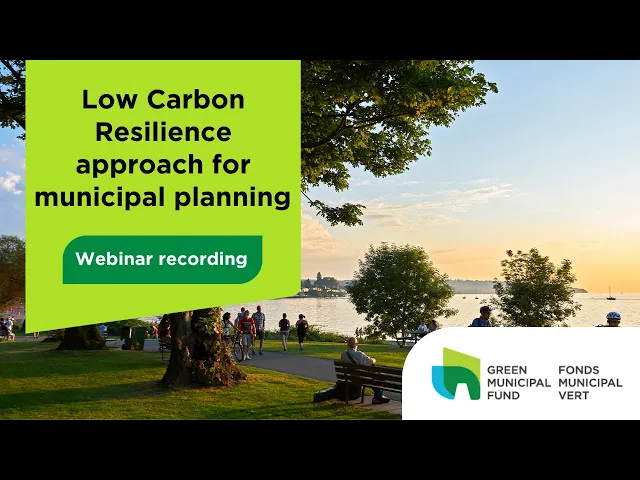
Low Carbon Resilience approach for municipal planning
Building the Foundation for Your Resilience Plan
Laying the groundwork is essential for crafting a climate resilience plan that delivers meaningful results. This process involves assembling a well-rounded team, gathering accurate data, and setting a clear focus to guide your efforts. These steps are the bedrock of effective planning.
Building Cross-Departmental Teams
Successful resilience planning thrives on collaboration, bringing together insights from various municipal and agency perspectives. The most effective teams include representatives from public works, emergency management, planning and zoning, public health, finance, and environmental services. Each department brings unique expertise: public works can identify infrastructure vulnerabilities, emergency management focuses on disaster response needs, planners highlight risk-reducing development strategies, and public health experts understand how climate impacts vulnerable populations.
Involving external stakeholders further strengthens your team. Local utility companies can share insights on energy and water system vulnerabilities, while regional planning organizations often provide access to climate data and modeling tools that individual municipalities might lack. Community organizations, particularly those serving low-income or minority populations, offer valuable perspectives on how climate issues affect different groups.
Your team should include both technical experts and decision-makers with the authority to allocate resources and ensure plans are implemented. Including department heads or senior staff ensures that recommendations can move forward without unnecessary delays.
Once your team is in place, the next step is to gather precise local climate data to guide your planning.
Gathering Local Climate Data and Projections
Reliable local climate data forms the backbone of any resilience plan. Broad national or state-level projections often overlook the detailed nuances that matter for local decision-making. Communities need data that accounts for factors like local geography, elevation, proximity to water, and urban heat island effects.
Organizations such as the National Weather Service, NOAA, and regional climate centers offer historical data and projections. These resources provide decades of temperature and precipitation records, helping establish baseline conditions and identify trends.
For future projections, tools like the U.S. Climate Resilience Toolkit provide downscaled models with county-level detail on temperature and precipitation changes. These models explore various greenhouse gas emission scenarios, offering insights into both moderate and extreme outcomes.
Regional climate hubs, such as the Southeast Regional Climate Hub, play a critical role by translating broad projections into actionable insights for specific areas. They help communities understand how climate changes might impact infrastructure, agriculture, and public health. Local universities and research institutions can also provide detailed regional modeling that may otherwise be too costly for smaller municipalities.
This data serves as the foundation for setting clear objectives and priorities.
Setting Clear Objectives and Scope
With input from your team and data in hand, the next step is defining objectives that reflect your community’s most pressing needs. Instead of trying to address every potential climate impact at once, focus on the risks and opportunities that matter most.
Start by identifying critical community assets and services, such as drinking water facilities, major transportation routes, hospitals, and key economic areas. Pinpointing what needs the most protection helps prioritize efforts and allocate resources effectively.
Decisions about geographic scope and budget will shape the complexity of your plan. Some municipalities may begin with specific neighborhoods facing immediate risks, while others might take a city-wide approach if threats span multiple areas. Communities with limited resources can focus on cost-effective measures, like improving emergency response plans, while those with larger budgets might consider significant infrastructure upgrades.
Timeframes for planning often range from 10 to 30 years, balancing long-term vision with the practical challenges of forecasting and budgeting. The scope should also align with your community’s capacity and political appetite for climate action. Starting with achievable goals builds momentum and demonstrates the value of resilience planning, paving the way for more ambitious efforts in the future.
Assessing Climate Risks and Opportunities
With a solid foundation in place, the next step is to pinpoint the specific climate challenges your community faces while uncovering areas for improvement. This phase turns broad climate projections into actionable insights, guiding strategies for adaptation. By leveraging local data, you can conduct targeted risk assessments that address unique vulnerabilities and opportunities.
Conducting Vulnerability Assessments
A climate vulnerability assessment (CVA) offers a structured way to evaluate how hazards like rising temperatures, erratic rainfall, sea level rise, and extreme weather events could impact municipal operations, infrastructure, and residents. This involves examining the sensitivity of assets and their capacity to adapt to these changes.
Assessing risk goes beyond vulnerability - it requires evaluating the likelihood of hazards occurring and the severity of their impacts. For example, weather and climate-related disasters have cost the European Union over €738 billion between 1980 and 2023, with damages exceeding €162 billion from 2021 to 2023 alone. Shockingly, only 25% to 33% of these losses were covered by insurance [2]. Your assessment should account for current vulnerabilities while also considering future risks under various climate scenarios. External factors, such as supply chain disruptions or infrastructure interdependencies, can magnify these vulnerabilities. A power outage, for instance, could cascade into failures in municipal buildings, pumping stations, and communication networks.
Communities can start with qualitative methods to categorize risks as low, medium, or high, or adopt quantitative approaches using detailed spatial data and property values for more precise prioritization. The choice depends on available resources, technical expertise, and the level of detail required for decision-making. These assessments lay the groundwork for scenario planning, helping visualize how risks might evolve over time.
Using Scenario Planning and Mapping
Scenario planning transforms climate data into visual tools, making it easier for decision-makers to understand potential impacts. Instead of predicting a single outcome, this approach explores multiple possibilities to account for uncertainties in climate projections.
Vulnerability mapping, for instance, creates visual representations of how different climate scenarios could affect a community. Maps might highlight neighborhoods at the highest risk of flooding under various precipitation scenarios or areas most vulnerable to extreme heat based on factors like tree cover, building density, and population demographics.
By examining multiple timeframes - such as projections for 2030, 2050, and 2080 - communities can address immediate risks while preparing for long-term challenges. These visualizations are invaluable for fostering discussions about trade-offs and setting adaptation priorities. They also guide proactive adjustments in infrastructure and asset management.
Adding Climate Risks to Asset Management
To strengthen resilience, climate risks must be integrated into asset management practices. This shift from reactive maintenance to proactive planning ensures that infrastructure investments, maintenance schedules, and replacement priorities are informed by climate considerations. Traditional asset management often focuses on factors like age and condition, but incorporating climate risks adds a critical layer by forecasting how future conditions could affect asset performance and durability.
The economic case for this approach is clear: every $1 spent on climate adaptation can yield $2 to $10 in net economic benefits by reducing future damages and disruptions [2]. Start by identifying critical assets and assessing how climate hazards could impact their operation, maintenance needs, or lifespan. For example, roads might require materials better suited for frequent freeze-thaw cycles or prolonged heat waves.
This integration also calls for updating design standards and procurement practices. New infrastructure should be designed with future climate conditions in mind, not just historical data. This might mean specifying equipment with higher temperature tolerances, increasing drainage capacity, or using materials that perform better under projected conditions. Collaboration between climate experts, asset managers, and financial teams is key to balancing these considerations with budget constraints. Regularly updating risk assessments ensures that decisions remain aligned with the latest climate science and observations.
Creating and Prioritizing Adaptation Actions
Once vulnerabilities are identified, the next step is crafting targeted actions that stretch every dollar while addressing both immediate and long-term needs. This means prioritizing measures that tackle the most urgent risks while offering benefits across multiple areas.
Identifying Adaptation Measures
Effective adaptation strategies often serve multiple purposes, creating benefits that go beyond their primary goals. For instance, green infrastructure is a flexible solution that addresses flooding, urban heat, and air quality challenges. By reducing stormwater runoff and cooling urban areas, it provides both environmental and community benefits.
Energy efficiency upgrades in municipal buildings are another impactful option. Enhancing HVAC systems, improving insulation, and installing backup power systems not only cut energy costs but also ensure that critical facilities remain operational during extreme weather events.
Emergency preparedness improvements can make a significant difference during crises. Upgraded warning systems, designated shelters, and well-coordinated evacuation plans enhance community safety. Investments in microgrids and distributed energy systems further bolster resilience by keeping essential services running during power outages.
Transportation systems can also be adapted with heat-resistant pavements and better drainage, while water systems benefit from smart monitoring technologies that detect issues early. Tailoring these measures to address local vulnerabilities and aligning them with existing municipal plans can increase their effectiveness and create additional benefits across sectors [3][4][7].
Evaluating Costs and Benefits
After identifying potential actions, it’s essential to assess their impact. A thorough evaluation considers costs, social benefits, and environmental impacts to prioritize the most effective measures. Cost-effectiveness analysis goes beyond upfront expenses, factoring in long-term savings and avoided damages. For instance, investing in protective infrastructure can lead to significant savings over time while also boosting public health and economic opportunities.
Social benefits are a key driver for many adaptation projects. Measures that reduce risks from extreme weather often improve community health and quality of life, especially in BIPOC and frontline communities that are disproportionately affected by climate impacts [1][4][5][6].
Environmental benefits further enhance the value of these initiatives. Green infrastructure, for example, not only manages stormwater but also improves water quality, supports biodiversity, and reduces carbon emissions. Similarly, energy efficiency projects cut greenhouse gas emissions while strengthening overall community resilience [6].
The timeline for benefits is another critical consideration. Some actions, such as improved early warning systems, deliver immediate advantages, while others, like ecosystem restoration, take longer to show their full impact. Balancing short-term wins with long-term investments ensures sustained progress and resilience.
Community priorities and risk tolerance also shape decision-making. While some communities may focus on protecting critical infrastructure, others might prioritize social equity or economic growth. Engaging stakeholders throughout the process ensures that the chosen measures align with community values and gain widespread support.
Case Studies and Examples
Communities across the United States have successfully implemented tailored adaptation strategies, drawing on data-driven approaches and active stakeholder engagement. These examples highlight the value of customized solutions that address local needs while building resilience. Increasingly, federal and state funding has supported projects that integrate resilience planning with community involvement [1].
Implementing, Monitoring, and Improving the Plan
Putting a climate resilience plan into action demands not only strategic funding but also a commitment to continuous evaluation. After laying out the adaptation strategies, the next step is to focus on practical implementation. Here's how to secure funding and ensure accountability for effective execution.
Securing Funding and Assigning Responsibilities
Diversifying funding sources is essential for long-term success. While urban climate adaptation in the United States receives roughly $7 billion annually, this pales in comparison to the $69 billion allocated for mitigation projects, leaving municipalities to bridge significant funding gaps [9]. To navigate these challenges, communities must enhance their ability to secure competitive funding and technical support [8].
Federal and state grants offer some of the largest funding opportunities, but they require projects to align closely with specific criteria. Partnerships with non-profits and the private sector can help fill smaller funding gaps. Additionally, local mechanisms - such as dedicated taxes or fees - provide dependable, long-term revenue streams without the need for repayment [8].
For large-scale infrastructure projects, municipalities can consider tools like green bonds or resilience bonds. These financing options allow communities to start implementing projects right away while spreading costs over time, often repaid through future savings or revenue generation [8]. Aligning these funding strategies with targeted adaptation measures ensures that every dollar contributes to meaningful resilience outcomes.
National governments also play a pivotal role by collaborating directly with local authorities, offering technical assistance, and working with public financial institutions to attract private sector investments [9]. Forging strong relationships with state and federal partners can unlock additional funding and resources [9].
Monitoring Progress and Reporting Outcomes
Once funding is secured and responsibilities are assigned, integrating climate considerations into everyday operations becomes crucial. This means applying a climate-focused perspective to decisions about asset renewal and leveraging existing programs to enhance resilience [10]. Regular monitoring and assessment ensure that these efforts remain responsive to changing climate conditions, enabling timely adjustments to keep adaptation measures effective and aligned with current realities.
Conclusion
Building a strong climate resilience plan starts with collaboration across departments, ensuring climate factors are woven into every aspect of municipal operations.
This process is anchored by three key pillars: comprehensive risk assessments, active stakeholder involvement, and flexible implementation strategies. By prioritizing accurate local climate data and conducting in-depth vulnerability analyses, municipalities lay the groundwork for focused and effective adaptation efforts. This approach ensures that limited resources are allocated to address the most pressing climate challenges specific to each community.
Incorporating climate risks into asset management transforms plans into actionable steps that protect essential services while fostering economic stability.
Engaging a diverse range of stakeholders creates adaptation strategies that genuinely reflect community needs, garnering long-term support and trust.
Exploring diverse funding options - such as federal grants, state programs, local revenue sources, and private sector partnerships - empowers municipalities to implement comprehensive resilience measures without overburdening their budgets.
Resilience planning is not a one-and-done effort. Municipalities must regularly revisit and refine their strategies as new information becomes available. This ongoing process ensures that investments remain impactful and adaptable to emerging challenges.
As discussed earlier, these strategies collectively strengthen municipal resilience. Communities that commit to climate resilience planning today will be better equipped to safeguard residents, maintain economic stability, and uphold quality of life. Consistently evolving, data-driven strategies pave the way for thriving, resilient communities prepared for the challenges ahead.
FAQs
What are the best ways for municipalities to collect and use local climate data for building resilience plans?
To create effective climate resilience strategies, municipalities should begin by pinpointing specific local risks and vulnerabilities. Whether it’s flooding, heatwaves, or intense storms, understanding these threats through the lens of current science and climate projections is key to preparing for future challenges and setting priorities.
Another critical step is to review existing local and regional plans, such as hazard mitigation strategies or infrastructure assessments, to ensure they align with broader resilience objectives. Staying updated on evolving climate data and projections allows for ongoing refinement of strategies, ensuring they remain relevant and adaptive to new risks.
Collaboration with community stakeholders - including residents, businesses, and subject matter experts - adds an essential layer of insight. This engagement ensures that resilience plans are not only well-informed but also tailored to address the unique needs of the community.
What are effective ways to fund climate resilience projects in local communities?
Local communities have various ways to secure funding for climate resilience projects, tapping into diverse resources to meet their needs. Grants offered by federal, state, and nonprofit organizations often serve as a primary source of financial support. Additionally, private entities also provide funding opportunities that can be critical for advancing these initiatives.
Public-private partnerships offer another effective approach, bringing together the resources and expertise of both sectors to tackle climate challenges collaboratively. These partnerships can amplify efforts by leveraging shared goals and investments.
Municipalities may also explore generating revenue through local taxes or fees earmarked specifically for resilience projects. When these funding strategies are combined, they create a solid financial base, enabling communities to implement meaningful projects that bolster their defenses against climate-related risks.
How can communities keep their climate resilience plans flexible and effective over time?
To ensure climate resilience plans remain adaptable and impactful, communities need to revisit and update them regularly. This involves keeping a close eye on local climate patterns, revising strategies to address emerging risks, and integrating advancements in technology and policy updates to stay ahead of challenges.
Equally important is involving stakeholders throughout the process. Collaboration among residents, businesses, and government entities ensures that these plans reflect the community's shifting priorities and practical needs. Regular reviews and updates not only keep the plans relevant but also strengthen their ability to address climate-related threats effectively.
Related Blog Posts
Latest Articles
©2025



FAQ
01
What does it really mean to “redefine profit”?
02
What makes Council Fire different?
03
Who does Council Fire you work with?
04
What does working with Council Fire actually look like?
05
How does Council Fire help organizations turn big goals into action?
06
How does Council Fire define and measure success?
Nov 18, 2025
How to Build a Climate Resilience Plan for Municipalities & Government Agencies
Sustainability Strategy
In This Article
Learn how municipalities can effectively build climate resilience plans to safeguard essential services and vulnerable populations against climate change.
How to Build a Climate Resilience Plan for Municipalities & Government Agencies
Climate change is intensifying challenges for cities and towns across the U.S., making it critical for municipalities and agencies to prepare for extreme weather events like floods, heat waves, and wildfires. A well-structured climate resilience plan helps communities maintain essential services, protect vulnerable populations, and ensure long-term sustainability. Here's a quick overview:
Key Goals: Protect infrastructure, safeguard public health, and support future growth.
Steps to Start: Build cross-department teams, gather local climate data, and set clear priorities.
Risk Assessment: Identify vulnerabilities and use tools like scenario mapping to plan for varying climate outcomes.
Action Plans: Focus on measures like green infrastructure, energy upgrades, and emergency preparedness.
Funding: Combine federal grants, local revenue, and private partnerships to finance projects.
Implementation: Assign responsibilities, monitor progress, and adjust plans as needed.
Low Carbon Resilience approach for municipal planning
Building the Foundation for Your Resilience Plan
Laying the groundwork is essential for crafting a climate resilience plan that delivers meaningful results. This process involves assembling a well-rounded team, gathering accurate data, and setting a clear focus to guide your efforts. These steps are the bedrock of effective planning.
Building Cross-Departmental Teams
Successful resilience planning thrives on collaboration, bringing together insights from various municipal and agency perspectives. The most effective teams include representatives from public works, emergency management, planning and zoning, public health, finance, and environmental services. Each department brings unique expertise: public works can identify infrastructure vulnerabilities, emergency management focuses on disaster response needs, planners highlight risk-reducing development strategies, and public health experts understand how climate impacts vulnerable populations.
Involving external stakeholders further strengthens your team. Local utility companies can share insights on energy and water system vulnerabilities, while regional planning organizations often provide access to climate data and modeling tools that individual municipalities might lack. Community organizations, particularly those serving low-income or minority populations, offer valuable perspectives on how climate issues affect different groups.
Your team should include both technical experts and decision-makers with the authority to allocate resources and ensure plans are implemented. Including department heads or senior staff ensures that recommendations can move forward without unnecessary delays.
Once your team is in place, the next step is to gather precise local climate data to guide your planning.
Gathering Local Climate Data and Projections
Reliable local climate data forms the backbone of any resilience plan. Broad national or state-level projections often overlook the detailed nuances that matter for local decision-making. Communities need data that accounts for factors like local geography, elevation, proximity to water, and urban heat island effects.
Organizations such as the National Weather Service, NOAA, and regional climate centers offer historical data and projections. These resources provide decades of temperature and precipitation records, helping establish baseline conditions and identify trends.
For future projections, tools like the U.S. Climate Resilience Toolkit provide downscaled models with county-level detail on temperature and precipitation changes. These models explore various greenhouse gas emission scenarios, offering insights into both moderate and extreme outcomes.
Regional climate hubs, such as the Southeast Regional Climate Hub, play a critical role by translating broad projections into actionable insights for specific areas. They help communities understand how climate changes might impact infrastructure, agriculture, and public health. Local universities and research institutions can also provide detailed regional modeling that may otherwise be too costly for smaller municipalities.
This data serves as the foundation for setting clear objectives and priorities.
Setting Clear Objectives and Scope
With input from your team and data in hand, the next step is defining objectives that reflect your community’s most pressing needs. Instead of trying to address every potential climate impact at once, focus on the risks and opportunities that matter most.
Start by identifying critical community assets and services, such as drinking water facilities, major transportation routes, hospitals, and key economic areas. Pinpointing what needs the most protection helps prioritize efforts and allocate resources effectively.
Decisions about geographic scope and budget will shape the complexity of your plan. Some municipalities may begin with specific neighborhoods facing immediate risks, while others might take a city-wide approach if threats span multiple areas. Communities with limited resources can focus on cost-effective measures, like improving emergency response plans, while those with larger budgets might consider significant infrastructure upgrades.
Timeframes for planning often range from 10 to 30 years, balancing long-term vision with the practical challenges of forecasting and budgeting. The scope should also align with your community’s capacity and political appetite for climate action. Starting with achievable goals builds momentum and demonstrates the value of resilience planning, paving the way for more ambitious efforts in the future.
Assessing Climate Risks and Opportunities
With a solid foundation in place, the next step is to pinpoint the specific climate challenges your community faces while uncovering areas for improvement. This phase turns broad climate projections into actionable insights, guiding strategies for adaptation. By leveraging local data, you can conduct targeted risk assessments that address unique vulnerabilities and opportunities.
Conducting Vulnerability Assessments
A climate vulnerability assessment (CVA) offers a structured way to evaluate how hazards like rising temperatures, erratic rainfall, sea level rise, and extreme weather events could impact municipal operations, infrastructure, and residents. This involves examining the sensitivity of assets and their capacity to adapt to these changes.
Assessing risk goes beyond vulnerability - it requires evaluating the likelihood of hazards occurring and the severity of their impacts. For example, weather and climate-related disasters have cost the European Union over €738 billion between 1980 and 2023, with damages exceeding €162 billion from 2021 to 2023 alone. Shockingly, only 25% to 33% of these losses were covered by insurance [2]. Your assessment should account for current vulnerabilities while also considering future risks under various climate scenarios. External factors, such as supply chain disruptions or infrastructure interdependencies, can magnify these vulnerabilities. A power outage, for instance, could cascade into failures in municipal buildings, pumping stations, and communication networks.
Communities can start with qualitative methods to categorize risks as low, medium, or high, or adopt quantitative approaches using detailed spatial data and property values for more precise prioritization. The choice depends on available resources, technical expertise, and the level of detail required for decision-making. These assessments lay the groundwork for scenario planning, helping visualize how risks might evolve over time.
Using Scenario Planning and Mapping
Scenario planning transforms climate data into visual tools, making it easier for decision-makers to understand potential impacts. Instead of predicting a single outcome, this approach explores multiple possibilities to account for uncertainties in climate projections.
Vulnerability mapping, for instance, creates visual representations of how different climate scenarios could affect a community. Maps might highlight neighborhoods at the highest risk of flooding under various precipitation scenarios or areas most vulnerable to extreme heat based on factors like tree cover, building density, and population demographics.
By examining multiple timeframes - such as projections for 2030, 2050, and 2080 - communities can address immediate risks while preparing for long-term challenges. These visualizations are invaluable for fostering discussions about trade-offs and setting adaptation priorities. They also guide proactive adjustments in infrastructure and asset management.
Adding Climate Risks to Asset Management
To strengthen resilience, climate risks must be integrated into asset management practices. This shift from reactive maintenance to proactive planning ensures that infrastructure investments, maintenance schedules, and replacement priorities are informed by climate considerations. Traditional asset management often focuses on factors like age and condition, but incorporating climate risks adds a critical layer by forecasting how future conditions could affect asset performance and durability.
The economic case for this approach is clear: every $1 spent on climate adaptation can yield $2 to $10 in net economic benefits by reducing future damages and disruptions [2]. Start by identifying critical assets and assessing how climate hazards could impact their operation, maintenance needs, or lifespan. For example, roads might require materials better suited for frequent freeze-thaw cycles or prolonged heat waves.
This integration also calls for updating design standards and procurement practices. New infrastructure should be designed with future climate conditions in mind, not just historical data. This might mean specifying equipment with higher temperature tolerances, increasing drainage capacity, or using materials that perform better under projected conditions. Collaboration between climate experts, asset managers, and financial teams is key to balancing these considerations with budget constraints. Regularly updating risk assessments ensures that decisions remain aligned with the latest climate science and observations.
Creating and Prioritizing Adaptation Actions
Once vulnerabilities are identified, the next step is crafting targeted actions that stretch every dollar while addressing both immediate and long-term needs. This means prioritizing measures that tackle the most urgent risks while offering benefits across multiple areas.
Identifying Adaptation Measures
Effective adaptation strategies often serve multiple purposes, creating benefits that go beyond their primary goals. For instance, green infrastructure is a flexible solution that addresses flooding, urban heat, and air quality challenges. By reducing stormwater runoff and cooling urban areas, it provides both environmental and community benefits.
Energy efficiency upgrades in municipal buildings are another impactful option. Enhancing HVAC systems, improving insulation, and installing backup power systems not only cut energy costs but also ensure that critical facilities remain operational during extreme weather events.
Emergency preparedness improvements can make a significant difference during crises. Upgraded warning systems, designated shelters, and well-coordinated evacuation plans enhance community safety. Investments in microgrids and distributed energy systems further bolster resilience by keeping essential services running during power outages.
Transportation systems can also be adapted with heat-resistant pavements and better drainage, while water systems benefit from smart monitoring technologies that detect issues early. Tailoring these measures to address local vulnerabilities and aligning them with existing municipal plans can increase their effectiveness and create additional benefits across sectors [3][4][7].
Evaluating Costs and Benefits
After identifying potential actions, it’s essential to assess their impact. A thorough evaluation considers costs, social benefits, and environmental impacts to prioritize the most effective measures. Cost-effectiveness analysis goes beyond upfront expenses, factoring in long-term savings and avoided damages. For instance, investing in protective infrastructure can lead to significant savings over time while also boosting public health and economic opportunities.
Social benefits are a key driver for many adaptation projects. Measures that reduce risks from extreme weather often improve community health and quality of life, especially in BIPOC and frontline communities that are disproportionately affected by climate impacts [1][4][5][6].
Environmental benefits further enhance the value of these initiatives. Green infrastructure, for example, not only manages stormwater but also improves water quality, supports biodiversity, and reduces carbon emissions. Similarly, energy efficiency projects cut greenhouse gas emissions while strengthening overall community resilience [6].
The timeline for benefits is another critical consideration. Some actions, such as improved early warning systems, deliver immediate advantages, while others, like ecosystem restoration, take longer to show their full impact. Balancing short-term wins with long-term investments ensures sustained progress and resilience.
Community priorities and risk tolerance also shape decision-making. While some communities may focus on protecting critical infrastructure, others might prioritize social equity or economic growth. Engaging stakeholders throughout the process ensures that the chosen measures align with community values and gain widespread support.
Case Studies and Examples
Communities across the United States have successfully implemented tailored adaptation strategies, drawing on data-driven approaches and active stakeholder engagement. These examples highlight the value of customized solutions that address local needs while building resilience. Increasingly, federal and state funding has supported projects that integrate resilience planning with community involvement [1].
Implementing, Monitoring, and Improving the Plan
Putting a climate resilience plan into action demands not only strategic funding but also a commitment to continuous evaluation. After laying out the adaptation strategies, the next step is to focus on practical implementation. Here's how to secure funding and ensure accountability for effective execution.
Securing Funding and Assigning Responsibilities
Diversifying funding sources is essential for long-term success. While urban climate adaptation in the United States receives roughly $7 billion annually, this pales in comparison to the $69 billion allocated for mitigation projects, leaving municipalities to bridge significant funding gaps [9]. To navigate these challenges, communities must enhance their ability to secure competitive funding and technical support [8].
Federal and state grants offer some of the largest funding opportunities, but they require projects to align closely with specific criteria. Partnerships with non-profits and the private sector can help fill smaller funding gaps. Additionally, local mechanisms - such as dedicated taxes or fees - provide dependable, long-term revenue streams without the need for repayment [8].
For large-scale infrastructure projects, municipalities can consider tools like green bonds or resilience bonds. These financing options allow communities to start implementing projects right away while spreading costs over time, often repaid through future savings or revenue generation [8]. Aligning these funding strategies with targeted adaptation measures ensures that every dollar contributes to meaningful resilience outcomes.
National governments also play a pivotal role by collaborating directly with local authorities, offering technical assistance, and working with public financial institutions to attract private sector investments [9]. Forging strong relationships with state and federal partners can unlock additional funding and resources [9].
Monitoring Progress and Reporting Outcomes
Once funding is secured and responsibilities are assigned, integrating climate considerations into everyday operations becomes crucial. This means applying a climate-focused perspective to decisions about asset renewal and leveraging existing programs to enhance resilience [10]. Regular monitoring and assessment ensure that these efforts remain responsive to changing climate conditions, enabling timely adjustments to keep adaptation measures effective and aligned with current realities.
Conclusion
Building a strong climate resilience plan starts with collaboration across departments, ensuring climate factors are woven into every aspect of municipal operations.
This process is anchored by three key pillars: comprehensive risk assessments, active stakeholder involvement, and flexible implementation strategies. By prioritizing accurate local climate data and conducting in-depth vulnerability analyses, municipalities lay the groundwork for focused and effective adaptation efforts. This approach ensures that limited resources are allocated to address the most pressing climate challenges specific to each community.
Incorporating climate risks into asset management transforms plans into actionable steps that protect essential services while fostering economic stability.
Engaging a diverse range of stakeholders creates adaptation strategies that genuinely reflect community needs, garnering long-term support and trust.
Exploring diverse funding options - such as federal grants, state programs, local revenue sources, and private sector partnerships - empowers municipalities to implement comprehensive resilience measures without overburdening their budgets.
Resilience planning is not a one-and-done effort. Municipalities must regularly revisit and refine their strategies as new information becomes available. This ongoing process ensures that investments remain impactful and adaptable to emerging challenges.
As discussed earlier, these strategies collectively strengthen municipal resilience. Communities that commit to climate resilience planning today will be better equipped to safeguard residents, maintain economic stability, and uphold quality of life. Consistently evolving, data-driven strategies pave the way for thriving, resilient communities prepared for the challenges ahead.
FAQs
What are the best ways for municipalities to collect and use local climate data for building resilience plans?
To create effective climate resilience strategies, municipalities should begin by pinpointing specific local risks and vulnerabilities. Whether it’s flooding, heatwaves, or intense storms, understanding these threats through the lens of current science and climate projections is key to preparing for future challenges and setting priorities.
Another critical step is to review existing local and regional plans, such as hazard mitigation strategies or infrastructure assessments, to ensure they align with broader resilience objectives. Staying updated on evolving climate data and projections allows for ongoing refinement of strategies, ensuring they remain relevant and adaptive to new risks.
Collaboration with community stakeholders - including residents, businesses, and subject matter experts - adds an essential layer of insight. This engagement ensures that resilience plans are not only well-informed but also tailored to address the unique needs of the community.
What are effective ways to fund climate resilience projects in local communities?
Local communities have various ways to secure funding for climate resilience projects, tapping into diverse resources to meet their needs. Grants offered by federal, state, and nonprofit organizations often serve as a primary source of financial support. Additionally, private entities also provide funding opportunities that can be critical for advancing these initiatives.
Public-private partnerships offer another effective approach, bringing together the resources and expertise of both sectors to tackle climate challenges collaboratively. These partnerships can amplify efforts by leveraging shared goals and investments.
Municipalities may also explore generating revenue through local taxes or fees earmarked specifically for resilience projects. When these funding strategies are combined, they create a solid financial base, enabling communities to implement meaningful projects that bolster their defenses against climate-related risks.
How can communities keep their climate resilience plans flexible and effective over time?
To ensure climate resilience plans remain adaptable and impactful, communities need to revisit and update them regularly. This involves keeping a close eye on local climate patterns, revising strategies to address emerging risks, and integrating advancements in technology and policy updates to stay ahead of challenges.
Equally important is involving stakeholders throughout the process. Collaboration among residents, businesses, and government entities ensures that these plans reflect the community's shifting priorities and practical needs. Regular reviews and updates not only keep the plans relevant but also strengthen their ability to address climate-related threats effectively.
Related Blog Posts
FAQ
01
What does it really mean to “redefine profit”?
02
What makes Council Fire different?
03
Who does Council Fire you work with?
04
What does working with Council Fire actually look like?
05
How does Council Fire help organizations turn big goals into action?
06
How does Council Fire define and measure success?
Nov 18, 2025
How to Build a Climate Resilience Plan for Municipalities & Government Agencies
Sustainability Strategy
In This Article
Learn how municipalities can effectively build climate resilience plans to safeguard essential services and vulnerable populations against climate change.
How to Build a Climate Resilience Plan for Municipalities & Government Agencies
Climate change is intensifying challenges for cities and towns across the U.S., making it critical for municipalities and agencies to prepare for extreme weather events like floods, heat waves, and wildfires. A well-structured climate resilience plan helps communities maintain essential services, protect vulnerable populations, and ensure long-term sustainability. Here's a quick overview:
Key Goals: Protect infrastructure, safeguard public health, and support future growth.
Steps to Start: Build cross-department teams, gather local climate data, and set clear priorities.
Risk Assessment: Identify vulnerabilities and use tools like scenario mapping to plan for varying climate outcomes.
Action Plans: Focus on measures like green infrastructure, energy upgrades, and emergency preparedness.
Funding: Combine federal grants, local revenue, and private partnerships to finance projects.
Implementation: Assign responsibilities, monitor progress, and adjust plans as needed.
Low Carbon Resilience approach for municipal planning
Building the Foundation for Your Resilience Plan
Laying the groundwork is essential for crafting a climate resilience plan that delivers meaningful results. This process involves assembling a well-rounded team, gathering accurate data, and setting a clear focus to guide your efforts. These steps are the bedrock of effective planning.
Building Cross-Departmental Teams
Successful resilience planning thrives on collaboration, bringing together insights from various municipal and agency perspectives. The most effective teams include representatives from public works, emergency management, planning and zoning, public health, finance, and environmental services. Each department brings unique expertise: public works can identify infrastructure vulnerabilities, emergency management focuses on disaster response needs, planners highlight risk-reducing development strategies, and public health experts understand how climate impacts vulnerable populations.
Involving external stakeholders further strengthens your team. Local utility companies can share insights on energy and water system vulnerabilities, while regional planning organizations often provide access to climate data and modeling tools that individual municipalities might lack. Community organizations, particularly those serving low-income or minority populations, offer valuable perspectives on how climate issues affect different groups.
Your team should include both technical experts and decision-makers with the authority to allocate resources and ensure plans are implemented. Including department heads or senior staff ensures that recommendations can move forward without unnecessary delays.
Once your team is in place, the next step is to gather precise local climate data to guide your planning.
Gathering Local Climate Data and Projections
Reliable local climate data forms the backbone of any resilience plan. Broad national or state-level projections often overlook the detailed nuances that matter for local decision-making. Communities need data that accounts for factors like local geography, elevation, proximity to water, and urban heat island effects.
Organizations such as the National Weather Service, NOAA, and regional climate centers offer historical data and projections. These resources provide decades of temperature and precipitation records, helping establish baseline conditions and identify trends.
For future projections, tools like the U.S. Climate Resilience Toolkit provide downscaled models with county-level detail on temperature and precipitation changes. These models explore various greenhouse gas emission scenarios, offering insights into both moderate and extreme outcomes.
Regional climate hubs, such as the Southeast Regional Climate Hub, play a critical role by translating broad projections into actionable insights for specific areas. They help communities understand how climate changes might impact infrastructure, agriculture, and public health. Local universities and research institutions can also provide detailed regional modeling that may otherwise be too costly for smaller municipalities.
This data serves as the foundation for setting clear objectives and priorities.
Setting Clear Objectives and Scope
With input from your team and data in hand, the next step is defining objectives that reflect your community’s most pressing needs. Instead of trying to address every potential climate impact at once, focus on the risks and opportunities that matter most.
Start by identifying critical community assets and services, such as drinking water facilities, major transportation routes, hospitals, and key economic areas. Pinpointing what needs the most protection helps prioritize efforts and allocate resources effectively.
Decisions about geographic scope and budget will shape the complexity of your plan. Some municipalities may begin with specific neighborhoods facing immediate risks, while others might take a city-wide approach if threats span multiple areas. Communities with limited resources can focus on cost-effective measures, like improving emergency response plans, while those with larger budgets might consider significant infrastructure upgrades.
Timeframes for planning often range from 10 to 30 years, balancing long-term vision with the practical challenges of forecasting and budgeting. The scope should also align with your community’s capacity and political appetite for climate action. Starting with achievable goals builds momentum and demonstrates the value of resilience planning, paving the way for more ambitious efforts in the future.
Assessing Climate Risks and Opportunities
With a solid foundation in place, the next step is to pinpoint the specific climate challenges your community faces while uncovering areas for improvement. This phase turns broad climate projections into actionable insights, guiding strategies for adaptation. By leveraging local data, you can conduct targeted risk assessments that address unique vulnerabilities and opportunities.
Conducting Vulnerability Assessments
A climate vulnerability assessment (CVA) offers a structured way to evaluate how hazards like rising temperatures, erratic rainfall, sea level rise, and extreme weather events could impact municipal operations, infrastructure, and residents. This involves examining the sensitivity of assets and their capacity to adapt to these changes.
Assessing risk goes beyond vulnerability - it requires evaluating the likelihood of hazards occurring and the severity of their impacts. For example, weather and climate-related disasters have cost the European Union over €738 billion between 1980 and 2023, with damages exceeding €162 billion from 2021 to 2023 alone. Shockingly, only 25% to 33% of these losses were covered by insurance [2]. Your assessment should account for current vulnerabilities while also considering future risks under various climate scenarios. External factors, such as supply chain disruptions or infrastructure interdependencies, can magnify these vulnerabilities. A power outage, for instance, could cascade into failures in municipal buildings, pumping stations, and communication networks.
Communities can start with qualitative methods to categorize risks as low, medium, or high, or adopt quantitative approaches using detailed spatial data and property values for more precise prioritization. The choice depends on available resources, technical expertise, and the level of detail required for decision-making. These assessments lay the groundwork for scenario planning, helping visualize how risks might evolve over time.
Using Scenario Planning and Mapping
Scenario planning transforms climate data into visual tools, making it easier for decision-makers to understand potential impacts. Instead of predicting a single outcome, this approach explores multiple possibilities to account for uncertainties in climate projections.
Vulnerability mapping, for instance, creates visual representations of how different climate scenarios could affect a community. Maps might highlight neighborhoods at the highest risk of flooding under various precipitation scenarios or areas most vulnerable to extreme heat based on factors like tree cover, building density, and population demographics.
By examining multiple timeframes - such as projections for 2030, 2050, and 2080 - communities can address immediate risks while preparing for long-term challenges. These visualizations are invaluable for fostering discussions about trade-offs and setting adaptation priorities. They also guide proactive adjustments in infrastructure and asset management.
Adding Climate Risks to Asset Management
To strengthen resilience, climate risks must be integrated into asset management practices. This shift from reactive maintenance to proactive planning ensures that infrastructure investments, maintenance schedules, and replacement priorities are informed by climate considerations. Traditional asset management often focuses on factors like age and condition, but incorporating climate risks adds a critical layer by forecasting how future conditions could affect asset performance and durability.
The economic case for this approach is clear: every $1 spent on climate adaptation can yield $2 to $10 in net economic benefits by reducing future damages and disruptions [2]. Start by identifying critical assets and assessing how climate hazards could impact their operation, maintenance needs, or lifespan. For example, roads might require materials better suited for frequent freeze-thaw cycles or prolonged heat waves.
This integration also calls for updating design standards and procurement practices. New infrastructure should be designed with future climate conditions in mind, not just historical data. This might mean specifying equipment with higher temperature tolerances, increasing drainage capacity, or using materials that perform better under projected conditions. Collaboration between climate experts, asset managers, and financial teams is key to balancing these considerations with budget constraints. Regularly updating risk assessments ensures that decisions remain aligned with the latest climate science and observations.
Creating and Prioritizing Adaptation Actions
Once vulnerabilities are identified, the next step is crafting targeted actions that stretch every dollar while addressing both immediate and long-term needs. This means prioritizing measures that tackle the most urgent risks while offering benefits across multiple areas.
Identifying Adaptation Measures
Effective adaptation strategies often serve multiple purposes, creating benefits that go beyond their primary goals. For instance, green infrastructure is a flexible solution that addresses flooding, urban heat, and air quality challenges. By reducing stormwater runoff and cooling urban areas, it provides both environmental and community benefits.
Energy efficiency upgrades in municipal buildings are another impactful option. Enhancing HVAC systems, improving insulation, and installing backup power systems not only cut energy costs but also ensure that critical facilities remain operational during extreme weather events.
Emergency preparedness improvements can make a significant difference during crises. Upgraded warning systems, designated shelters, and well-coordinated evacuation plans enhance community safety. Investments in microgrids and distributed energy systems further bolster resilience by keeping essential services running during power outages.
Transportation systems can also be adapted with heat-resistant pavements and better drainage, while water systems benefit from smart monitoring technologies that detect issues early. Tailoring these measures to address local vulnerabilities and aligning them with existing municipal plans can increase their effectiveness and create additional benefits across sectors [3][4][7].
Evaluating Costs and Benefits
After identifying potential actions, it’s essential to assess their impact. A thorough evaluation considers costs, social benefits, and environmental impacts to prioritize the most effective measures. Cost-effectiveness analysis goes beyond upfront expenses, factoring in long-term savings and avoided damages. For instance, investing in protective infrastructure can lead to significant savings over time while also boosting public health and economic opportunities.
Social benefits are a key driver for many adaptation projects. Measures that reduce risks from extreme weather often improve community health and quality of life, especially in BIPOC and frontline communities that are disproportionately affected by climate impacts [1][4][5][6].
Environmental benefits further enhance the value of these initiatives. Green infrastructure, for example, not only manages stormwater but also improves water quality, supports biodiversity, and reduces carbon emissions. Similarly, energy efficiency projects cut greenhouse gas emissions while strengthening overall community resilience [6].
The timeline for benefits is another critical consideration. Some actions, such as improved early warning systems, deliver immediate advantages, while others, like ecosystem restoration, take longer to show their full impact. Balancing short-term wins with long-term investments ensures sustained progress and resilience.
Community priorities and risk tolerance also shape decision-making. While some communities may focus on protecting critical infrastructure, others might prioritize social equity or economic growth. Engaging stakeholders throughout the process ensures that the chosen measures align with community values and gain widespread support.
Case Studies and Examples
Communities across the United States have successfully implemented tailored adaptation strategies, drawing on data-driven approaches and active stakeholder engagement. These examples highlight the value of customized solutions that address local needs while building resilience. Increasingly, federal and state funding has supported projects that integrate resilience planning with community involvement [1].
Implementing, Monitoring, and Improving the Plan
Putting a climate resilience plan into action demands not only strategic funding but also a commitment to continuous evaluation. After laying out the adaptation strategies, the next step is to focus on practical implementation. Here's how to secure funding and ensure accountability for effective execution.
Securing Funding and Assigning Responsibilities
Diversifying funding sources is essential for long-term success. While urban climate adaptation in the United States receives roughly $7 billion annually, this pales in comparison to the $69 billion allocated for mitigation projects, leaving municipalities to bridge significant funding gaps [9]. To navigate these challenges, communities must enhance their ability to secure competitive funding and technical support [8].
Federal and state grants offer some of the largest funding opportunities, but they require projects to align closely with specific criteria. Partnerships with non-profits and the private sector can help fill smaller funding gaps. Additionally, local mechanisms - such as dedicated taxes or fees - provide dependable, long-term revenue streams without the need for repayment [8].
For large-scale infrastructure projects, municipalities can consider tools like green bonds or resilience bonds. These financing options allow communities to start implementing projects right away while spreading costs over time, often repaid through future savings or revenue generation [8]. Aligning these funding strategies with targeted adaptation measures ensures that every dollar contributes to meaningful resilience outcomes.
National governments also play a pivotal role by collaborating directly with local authorities, offering technical assistance, and working with public financial institutions to attract private sector investments [9]. Forging strong relationships with state and federal partners can unlock additional funding and resources [9].
Monitoring Progress and Reporting Outcomes
Once funding is secured and responsibilities are assigned, integrating climate considerations into everyday operations becomes crucial. This means applying a climate-focused perspective to decisions about asset renewal and leveraging existing programs to enhance resilience [10]. Regular monitoring and assessment ensure that these efforts remain responsive to changing climate conditions, enabling timely adjustments to keep adaptation measures effective and aligned with current realities.
Conclusion
Building a strong climate resilience plan starts with collaboration across departments, ensuring climate factors are woven into every aspect of municipal operations.
This process is anchored by three key pillars: comprehensive risk assessments, active stakeholder involvement, and flexible implementation strategies. By prioritizing accurate local climate data and conducting in-depth vulnerability analyses, municipalities lay the groundwork for focused and effective adaptation efforts. This approach ensures that limited resources are allocated to address the most pressing climate challenges specific to each community.
Incorporating climate risks into asset management transforms plans into actionable steps that protect essential services while fostering economic stability.
Engaging a diverse range of stakeholders creates adaptation strategies that genuinely reflect community needs, garnering long-term support and trust.
Exploring diverse funding options - such as federal grants, state programs, local revenue sources, and private sector partnerships - empowers municipalities to implement comprehensive resilience measures without overburdening their budgets.
Resilience planning is not a one-and-done effort. Municipalities must regularly revisit and refine their strategies as new information becomes available. This ongoing process ensures that investments remain impactful and adaptable to emerging challenges.
As discussed earlier, these strategies collectively strengthen municipal resilience. Communities that commit to climate resilience planning today will be better equipped to safeguard residents, maintain economic stability, and uphold quality of life. Consistently evolving, data-driven strategies pave the way for thriving, resilient communities prepared for the challenges ahead.
FAQs
What are the best ways for municipalities to collect and use local climate data for building resilience plans?
To create effective climate resilience strategies, municipalities should begin by pinpointing specific local risks and vulnerabilities. Whether it’s flooding, heatwaves, or intense storms, understanding these threats through the lens of current science and climate projections is key to preparing for future challenges and setting priorities.
Another critical step is to review existing local and regional plans, such as hazard mitigation strategies or infrastructure assessments, to ensure they align with broader resilience objectives. Staying updated on evolving climate data and projections allows for ongoing refinement of strategies, ensuring they remain relevant and adaptive to new risks.
Collaboration with community stakeholders - including residents, businesses, and subject matter experts - adds an essential layer of insight. This engagement ensures that resilience plans are not only well-informed but also tailored to address the unique needs of the community.
What are effective ways to fund climate resilience projects in local communities?
Local communities have various ways to secure funding for climate resilience projects, tapping into diverse resources to meet their needs. Grants offered by federal, state, and nonprofit organizations often serve as a primary source of financial support. Additionally, private entities also provide funding opportunities that can be critical for advancing these initiatives.
Public-private partnerships offer another effective approach, bringing together the resources and expertise of both sectors to tackle climate challenges collaboratively. These partnerships can amplify efforts by leveraging shared goals and investments.
Municipalities may also explore generating revenue through local taxes or fees earmarked specifically for resilience projects. When these funding strategies are combined, they create a solid financial base, enabling communities to implement meaningful projects that bolster their defenses against climate-related risks.
How can communities keep their climate resilience plans flexible and effective over time?
To ensure climate resilience plans remain adaptable and impactful, communities need to revisit and update them regularly. This involves keeping a close eye on local climate patterns, revising strategies to address emerging risks, and integrating advancements in technology and policy updates to stay ahead of challenges.
Equally important is involving stakeholders throughout the process. Collaboration among residents, businesses, and government entities ensures that these plans reflect the community's shifting priorities and practical needs. Regular reviews and updates not only keep the plans relevant but also strengthen their ability to address climate-related threats effectively.
Related Blog Posts
FAQ
What does it really mean to “redefine profit”?
What makes Council Fire different?
Who does Council Fire you work with?
What does working with Council Fire actually look like?
How does Council Fire help organizations turn big goals into action?
How does Council Fire define and measure success?